Melanophryniscus stelzneri 黃蜂蟾 (=大黃蜂蟾蜍) x 5
Amphiuma tridactylum 三趾兩棲鯢 x 2 (俗稱三趾鰻螈但牠真的不是鰻螈) (看這邊)
Siren lacertina 大鰻螈 x 2 (看這邊)
動物來源: 多彩貿易

2011年4月26日 星期二

2010年10月8日 星期五
2010-10-08新進動物與魚隻


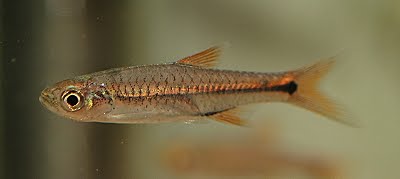


Betta macrostoma 紅戰狗 x 2對
Betta ocellata 翠綠戰狗(歐斯力特戰狗) x 4對
Betta foerschi 佛思琦鬥魚(=佛斯奇鬥魚) x 2對
Betta livida 利維達鬥魚(=麗維達鬥魚) x 2對
Rasbora sp. cf. rutteni 近似火翅精靈燈Rasbora lacrimula的未命名小波魚 x 43
Rasbora nodulosa 藍線黃尾燈 x 25
Oryzias woworae 七彩霓虹稻田魚 x 72
Pangio doriae 多里潘鰍(=迷你鰭龍) x 7
某某蝦虎 x 4 (以"Pseudogobius heyligeri"這個不存在世間的學名輸入)
Balitora burmanica 細身爬岩鰍 (=緬甸爬鰍) x 1
Gastromyzon ocellatus (?) 綠背葫蘆琵琶 x 2
Astyanax daguae 迷幻藍眼燈 x 4 (其實學名待確認)
Characidae spp. 小黑牌雜燈 x 若干
Megophrys nasuta 三角枯葉蛙 x 5
[再說, 藍戰狗翠綠戰狗傻傻不會分]
魚隻來源: 民族水族, 大龍水族, 小黑的店
Betta ocellata 翠綠戰狗(歐斯力特戰狗) x 4對
Betta foerschi 佛思琦鬥魚(=佛斯奇鬥魚) x 2對
Betta livida 利維達鬥魚(=麗維達鬥魚) x 2對
Rasbora sp. cf. rutteni 近似火翅精靈燈Rasbora lacrimula的未命名小波魚 x 43
Rasbora nodulosa 藍線黃尾燈 x 25
Oryzias woworae 七彩霓虹稻田魚 x 72
Pangio doriae 多里潘鰍(=迷你鰭龍) x 7
某某蝦虎 x 4 (以"Pseudogobius heyligeri"這個不存在世間的學名輸入)
Balitora burmanica 細身爬岩鰍 (=緬甸爬鰍) x 1

Gastromyzon ocellatus (?) 綠背葫蘆琵琶 x 2
Astyanax daguae 迷幻藍眼燈 x 4 (其實學名待確認)
Characidae spp. 小黑牌雜燈 x 若干
Megophrys nasuta 三角枯葉蛙 x 5
[再說, 藍戰狗翠綠戰狗傻傻不會分]
魚隻來源: 民族水族, 大龍水族, 小黑的店


2010年7月17日 星期六
2010-07-17新進動物


 Anaxyrus cognatus (=Bufo cognatus) 美國蟾蜍(大草原蟾蜍) x 2
Anaxyrus debilis (=Bufo debilis) 美國綠背蟾蜍 x 2
Scaphiopus couchii 庫其氏鏟足蟾 x 2
Acontias percivali 坦尚尼亞無足石龍子 x 2
[再說]
Scaphiopus couchii 庫其氏鏟足蟾 x 2
Acontias percivali 坦尚尼亞無足石龍子 x 2
[再說]
2010年7月7日 星期三
2010-07-07新進動物與魚隻


 Parambassis sp. cf. ranga 某某玻璃魚1 x 10
Parambassis sp. 某某玻璃魚2 x 10
Tyttocharax sp. cf. cochui XX水晶旗 x 12
Hyphessobrycon sp. 某種沒看過的燈 x 10
Characidae sp. 某種想不起來的燈 x 3
Danio nigrofasciatus 黑帶斑馬 x 10
Danio aesculapii 藍閃電火鑽燈 x 10
Puntius jacobusboehlkei ? 波氏魮 x 1
Cyprinidae sp. 某某魚 x 1
Cyclocheilichthys apogon 天竺圓唇魚 x 2
Potomotyphlus kaupii 考氏水蚓 x 2
魚隻來源: 街頭巷尾
2010年4月30日 星期五
2010-04-30新進動物與魚隻


 Bronchocela jubata 綠角蜥 x 7
Gonocephalus chamaeleontinus 爪哇冠蜥 x 5
Gehyra marginata (Vanuatu morph) 萬納杜產裂足虎 (=太平洋巨人守宮) x 1 (說明看這邊)
Tarentola mauritanica 鱷魚守宮 x 1
Gekko vittatus Y字守宮(白紋守宮) x 6
Salamandra salamandra terrestris 法國火蠑螈 x 2
Damon variegatus 坦尚尼亞無尾鞭蠍 x 8
Cyclocosmia ricketti 中國活板門蜘蛛 (=芮氏盤腹蛛) x 8
Enneacampus ansorgii 藍星海龍 x 4
Hyphessobrycon metae 梅塔黑霓虹 x 若干
Phyllonemus typus 長鬚緞帶貓 (=剃刀鯰, 泰普斯鬍鬚鯰) x 2
Corydoras reynoldsi 雷諾鼠 x 4
Serpenticobitis octozona (???) 八帶蛇鰍(=墨斑鰍) x 5
我們終於開始處理非昆蟲的陸生無脊椎動物了. 已經被寵物化的陸生無脊椎動物不外乎蛛形綱, 倍足綱與唇足綱的生物. 而蛛形綱的生物中除了食鳥蛛, 蠍子, 避日蛛(Solifugae)之外, 就剩下鞭蠍(Thelyphonida)以及無尾鞭蠍(或有人稱無尾鞭蛛)(Amblypygi)了. 我還沒弄清楚在全球的寵物市場上有多少種無尾鞭蠍, 不過先看看台灣產的無尾鞭蠍.台灣產的無尾鞭蠍似乎是一些自然攝影大大到蘭嶼拍東拍西的基本款(或伴手禮?). 但台灣產的無尾鞭蠍是那一種? 高島春雄於1947年所發表的"南方諸地域に於ける脚髪目概説", "南方諸地域の蜴概説"以及1950年發表的"Notes on Amblypygi found in territories adjacent to Japan"指出, 產於蘭嶼的無尾鞭蠍是Charon grayi (Gervais, 1844)(註一). 這個觀點至少到目前為止沒有被推翻過. 但我在網路上看到有大大說, 台灣還有另一種無尾鞭蠍叫Phrynichus orientalis, 但是我卻找不到任何文獻證據指出台灣有這個種. 連Mark S Harvey在2003年出版的大作Catalogue of the Smaller Arachnid Orders of the World Amblypygi, Uropygi, Schizomida, Palpigradi, Ricinulei and Solifugae (google預覽)也沒提到台灣有這個種, 如果有人知道Phrynichus在台灣的記錄是那來的, 麻煩跟我指點一下. 好吧, 台灣的Charon和進口的Damon在外型上差不了多少, 但是在無尾鞭蠍目的分類系統中是分屬不同總科的生物. 然而拿來當寵物的非洲產"無尾鞭蠍"都是variegatus嗎? 先看一下Prendini et al. (2005)這篇文章, 再看看在台灣市面上流通的物種是那一個. 順道一提的是, 鞭蠍目的姐妹群裂盾蠍目(或稱短尾鞭蠍目)(Schizomida)在台灣應該有幾個物種的分布, 但是甚少在台灣的論壇上被討論.
阿那個盤腹蛛看起來真的很欠打, 國外已經有一些論壇討論飼養與繁殖(看這邊和這邊), 至於鑑定正不正確呢? 可以參考Zhu et al. (2006)的這篇論文, 上面有清楚的繪圖.
註一: 但很奇怪的是, 有些台灣網頁把台灣產無尾鞭蠍學名的作者與年代誤植為"Thorell, 1888", 但Thorell並不是grayi這個種的作者, 而是Charon其它分類群如papuanus的作者.
魚隻來源: 華洋水族
圖片拍攝: 蟲之友
Gehyra marginata (Vanuatu morph) 萬納杜產裂足虎 (=太平洋巨人守宮) x 1 (說明看這邊)
Tarentola mauritanica 鱷魚守宮 x 1
Gekko vittatus Y字守宮(白紋守宮) x 6
Salamandra salamandra terrestris 法國火蠑螈 x 2
Damon variegatus 坦尚尼亞無尾鞭蠍 x 8
Cyclocosmia ricketti 中國活板門蜘蛛 (=芮氏盤腹蛛) x 8
Enneacampus ansorgii 藍星海龍 x 4

Hyphessobrycon metae 梅塔黑霓虹 x 若干
Phyllonemus typus 長鬚緞帶貓 (=剃刀鯰, 泰普斯鬍鬚鯰) x 2
Corydoras reynoldsi 雷諾鼠 x 4
Serpenticobitis octozona (???) 八帶蛇鰍(=墨斑鰍) x 5
我們終於開始處理非昆蟲的陸生無脊椎動物了. 已經被寵物化的陸生無脊椎動物不外乎蛛形綱, 倍足綱與唇足綱的生物. 而蛛形綱的生物中除了食鳥蛛, 蠍子, 避日蛛(Solifugae)之外, 就剩下鞭蠍(Thelyphonida)以及無尾鞭蠍(或有人稱無尾鞭蛛)(Amblypygi)了. 我還沒弄清楚在全球的寵物市場上有多少種無尾鞭蠍, 不過先看看台灣產的無尾鞭蠍.台灣產的無尾鞭蠍似乎是一些自然攝影大大到蘭嶼拍東拍西的基本款(或伴手禮?). 但台灣產的無尾鞭蠍是那一種? 高島春雄於1947年所發表的"南方諸地域に於ける脚髪目概説", "南方諸地域の蜴概説"以及1950年發表的"Notes on Amblypygi found in territories adjacent to Japan"指出, 產於蘭嶼的無尾鞭蠍是Charon grayi (Gervais, 1844)(註一). 這個觀點至少到目前為止沒有被推翻過. 但我在網路上看到有大大說, 台灣還有另一種無尾鞭蠍叫Phrynichus orientalis, 但是我卻找不到任何文獻證據指出台灣有這個種. 連Mark S Harvey在2003年出版的大作Catalogue of the Smaller Arachnid Orders of the World Amblypygi, Uropygi, Schizomida, Palpigradi, Ricinulei and Solifugae (google預覽)也沒提到台灣有這個種, 如果有人知道Phrynichus在台灣的記錄是那來的, 麻煩跟我指點一下. 好吧, 台灣的Charon和進口的Damon在外型上差不了多少, 但是在無尾鞭蠍目的分類系統中是分屬不同總科的生物. 然而拿來當寵物的非洲產"無尾鞭蠍"都是variegatus嗎? 先看一下Prendini et al. (2005)這篇文章, 再看看在台灣市面上流通的物種是那一個. 順道一提的是, 鞭蠍目的姐妹群裂盾蠍目(或稱短尾鞭蠍目)(Schizomida)在台灣應該有幾個物種的分布, 但是甚少在台灣的論壇上被討論.
阿那個盤腹蛛看起來真的很欠打, 國外已經有一些論壇討論飼養與繁殖(看這邊和這邊), 至於鑑定正不正確呢? 可以參考Zhu et al. (2006)的這篇論文, 上面有清楚的繪圖.
註一: 但很奇怪的是, 有些台灣網頁把台灣產無尾鞭蠍學名的作者與年代誤植為"Thorell, 1888", 但Thorell並不是grayi這個種的作者, 而是Charon其它分類群如papuanus的作者.
魚隻來源: 華洋水族
圖片拍攝: 蟲之友
2010年1月28日 星期四
中國福建產蠑螈新種, 福鼎蠑螈 (Cynops fudingensis)
文獻來源: Wu Y, Wang Y, Jiang K, Hanken J. 2010. A new newt of the genus Cynops (Caudata: Salamandridae) from Fujian Province, southeastern China. Zootaxa 2346: 42-52.
Abstract
A new species of fire-bellied newt, Cynops fudingensis, is described from northeastern Fujian Province, southeastern China. This species forms a well-supported clade with C. orientalis and C. orphicus based on molecular phylogenetic analysis of nucleotide sequences from mitochondrial DNA subunit two of NADH dehydrogenase and its two flanking tRNAs. Further, its genetic distance to each of the two previously described species is large. Principal-components analysis of external linear measurements differentiates the new species from C. orientalis and C. orphicus in morphological space. Geographically, C. fudingensis occupies the distribution gap between C. orientalis and C. orphicus.
Abstract
A new species of fire-bellied newt, Cynops fudingensis, is described from northeastern Fujian Province, southeastern China. This species forms a well-supported clade with C. orientalis and C. orphicus based on molecular phylogenetic analysis of nucleotide sequences from mitochondrial DNA subunit two of NADH dehydrogenase and its two flanking tRNAs. Further, its genetic distance to each of the two previously described species is large. Principal-components analysis of external linear measurements differentiates the new species from C. orientalis and C. orphicus in morphological space. Geographically, C. fudingensis occupies the distribution gap between C. orientalis and C. orphicus.
2010年1月27日 星期三
分子親緣關係分析顯示台灣產的"古氏赤蛙"應為福建大頭蛙, 而正牌的古氏赤蛙產在爪哇
文獻來源: Matsui M, Kuraishi M, Jiang J-P, Ota H, Hamidy A, Orlov NL, Nishikawa K. 2010. Systematic reassessments of fanged frogs from China and adjacent regions (Anura: Dicroglossidae). Zootaxa 2345: 33-42.
Abstract
Systematic relationships of fanged frogs usually associated with Limnonectes kuhlii are assessed using 15 samples from Japan, Chinese Mainland and Taiwan, Vietnam, Laos, Thailand, Malaysia (Borneo), and Indonesia. Phylogenetic relationship inferred from the mitochondrial 12S rRNA, tRNAval, and 16S rRNA gene sequences revealed that fanged frogs sampled are not monophyletic with the topotypic L. kuhlii from Java. Samples from Yunnan of southern China (L. bannaensis), northern Laos and central Vietnam, and those from Jiangxi of eastern China (L. fujianensis), Taiwan and Japan (L. namiyei), respectively, form monophyletic groups, and are collectively sister to the Thai sample (L. megastomias). All these samples, L. fragilis from Hainan of southern China, and a group of Bornean samples show unresolved relationships with Javanese L. kuhlii. From the resultant phylogeny and genetic distances found among samples, L. "kuhlii" from Taiwan and L. fujianensis, and L. "kuhlii" from northern Laos and central Vietnam and L. bannaensis, respectively, are surmised to be conspecific. These fanged frogs are morphologically similar to, but phylogenetically distant from, L. kuhlii sensu stricto. Limnonectes namiyei, L. fujianensis, and L. bannaensis are considered to have a common ancestor whose chromosome number was 2n=22, unlike L. fragilis, L. kuhlii and many other frogs with 2n=26 chromosomes.
Abstract
Systematic relationships of fanged frogs usually associated with Limnonectes kuhlii are assessed using 15 samples from Japan, Chinese Mainland and Taiwan, Vietnam, Laos, Thailand, Malaysia (Borneo), and Indonesia. Phylogenetic relationship inferred from the mitochondrial 12S rRNA, tRNAval, and 16S rRNA gene sequences revealed that fanged frogs sampled are not monophyletic with the topotypic L. kuhlii from Java. Samples from Yunnan of southern China (L. bannaensis), northern Laos and central Vietnam, and those from Jiangxi of eastern China (L. fujianensis), Taiwan and Japan (L. namiyei), respectively, form monophyletic groups, and are collectively sister to the Thai sample (L. megastomias). All these samples, L. fragilis from Hainan of southern China, and a group of Bornean samples show unresolved relationships with Javanese L. kuhlii. From the resultant phylogeny and genetic distances found among samples, L. "kuhlii" from Taiwan and L. fujianensis, and L. "kuhlii" from northern Laos and central Vietnam and L. bannaensis, respectively, are surmised to be conspecific. These fanged frogs are morphologically similar to, but phylogenetically distant from, L. kuhlii sensu stricto. Limnonectes namiyei, L. fujianensis, and L. bannaensis are considered to have a common ancestor whose chromosome number was 2n=22, unlike L. fragilis, L. kuhlii and many other frogs with 2n=26 chromosomes.
2010年1月26日 星期二
中非產石蛙科石蛙屬之分類檢討及三個新種之描述

 [photo provided by Michael Barej, Zoologisches Forschungsmuseum Alexander Koenig & Andreas Schmitz (Museum d'histoire naturelle, Geneva]
文獻來源: Barej MF, Rodel M-O, Gonwouo LN, Pauwels OSG, Bohme W, Schmitz A. 2010. Review of the genus Petropedetes Reichenow, 1874 in Central Africa with the description of three new species (Amphibia: Anura: Petropedetidae). Zootaxa 2340: 1-49.
Abstract
We review and summarize the present knowledge on Central African Petropedetes, discuss their taxonomy and describe three new species. We synonymise one name: P. newtonii is a junior synonym of P. johnstoni. Frogs from the African mainland, namely Cameroon and eastern Nigeria, assigned to “P. newtonii” in more recent literature, were misidentified. They are herein described anew as Petropedetes vulpiae sp. nov. Two further new taxa are morphologically similar to other described species. Petropedetes euskircheni sp. nov. is morphologically close to P. parkeri but differs foremost in the smaller size of the femoral glands in adult males. P. juliawurstnerae sp. nov. is morphologically similar to P. perreti and P. cameronensis. It can be distinguished from P. perreti by its less developed webbing and from P. cameronensis by the size of its tympanum and the occurrence of a tympanic papilla in males. A key to adult males of the currently known Central African Petropedetes species is given and an outlook on potential further new taxa is provided.
Abstract
We review and summarize the present knowledge on Central African Petropedetes, discuss their taxonomy and describe three new species. We synonymise one name: P. newtonii is a junior synonym of P. johnstoni. Frogs from the African mainland, namely Cameroon and eastern Nigeria, assigned to “P. newtonii” in more recent literature, were misidentified. They are herein described anew as Petropedetes vulpiae sp. nov. Two further new taxa are morphologically similar to other described species. Petropedetes euskircheni sp. nov. is morphologically close to P. parkeri but differs foremost in the smaller size of the femoral glands in adult males. P. juliawurstnerae sp. nov. is morphologically similar to P. perreti and P. cameronensis. It can be distinguished from P. perreti by its less developed webbing and from P. cameronensis by the size of its tympanum and the occurrence of a tympanic papilla in males. A key to adult males of the currently known Central African Petropedetes species is given and an outlook on potential further new taxa is provided.
2010年1月17日 星期日
2010-01-16新進動物
 [Siren lacertina Photo by LC Shih]
 [superlink: Remix Online Shop 名東店]
 Triturus marmoratus 斑點蠑螈 x 1
Siren lacertina 大鰻螈 x 5
Pseudobranchus axanthus axanthus 窄帶小型鰻螈 x 15
[再聯絡]
2009年12月15日 星期二
2009-12-15新進動物
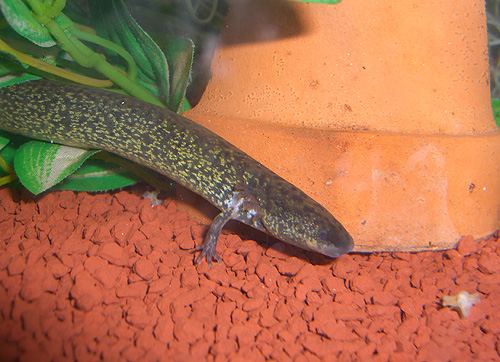

Aeluroscalabotes felinus 貓守宮 x 3
Siren lacertina 大鰻螈 x 1 (不是什麼"三趾鰻螈", 見此說明)
Lampropeltis alterna 灰帶王蛇 x 1
所謂的大鰻螈(Greater Siren)其實不大隻, 已知的記錄在47-98cm左右, 比起兩棲鯢的120cm還是小了一點. 這玩意兒有點怕熱, 所以冬天不用加溫, 但在夏天要小心水溫的升高. 我認為這類的水生有尾類不應該與任何魚混養, 一來是魚可能會吃掉牠的外鰓, 牠們也可能會吃掉魚. 不管是兩棲鯢或是鰻螈都非常容易逃脫, 因此水族箱的加蓋是有必要的. 另外有些網頁資訊把Siren張冠李戴為洞螈(Proteus anguinus), 但兩者並沒有任何直接的親緣關係.
圖片連結: Kamikaze Reptile, enzou.net
Siren lacertina 大鰻螈 x 1 (不是什麼"三趾鰻螈", 見此說明)
Lampropeltis alterna 灰帶王蛇 x 1
所謂的大鰻螈(Greater Siren)其實不大隻, 已知的記錄在47-98cm左右, 比起兩棲鯢的120cm還是小了一點. 這玩意兒有點怕熱, 所以冬天不用加溫, 但在夏天要小心水溫的升高. 我認為這類的水生有尾類不應該與任何魚混養, 一來是魚可能會吃掉牠的外鰓, 牠們也可能會吃掉魚. 不管是兩棲鯢或是鰻螈都非常容易逃脫, 因此水族箱的加蓋是有必要的. 另外有些網頁資訊把Siren張冠李戴為洞螈(Proteus anguinus), 但兩者並沒有任何直接的親緣關係.
圖片連結: Kamikaze Reptile, enzou.net
2009年12月6日 星期日
2009-12-06新進動物與魚隻


 superlink: http://www.b-boxaquarium.com/shop/image_view.html?image=../shopimages/bbox/098001000315.jpg
Corydoras sp. cf. C142 (假的)雙色鼠(=金頭馬鞍鼠) x 3
Corydoras sp. cf. vittatus 灰甲鼠(=台族的巴拉辛灰甲鼠) x 2 (鑑定問題看這邊與這邊)
Corydoras sp. cf. Purus short-body (?) 不知道啥碗糕鼠 x 1 (之前在九如路永豐魚抓過)
Amphiuma tridactylum 三趾兩棲鯢(=三趾鰻螈) x 5 (參考此處有關三個種的區別)
有關台灣市售的所謂雙色鼠命名的混亂問題我在先前有粗略的討論(請看這邊)(註一), 不過最近看到日本網頁上的資訊越來越複雜, 我覺得有必要再好好思考一下這是怎麼一回事. 我想在討論這件事之前有幾個前提要先釐清. 雙色鼠是什麼? 然後曾經被使用在市售雙色鼠的相關學名brevirostris或melanistius所代表的鼠魚又是什麼? 先前我提過真正的bicolor可能沒有體側的細點, 產在蘇利南的Sipawini和Courantyne河, 而據說具有細點點的brevirostris和melanistius(兩者的模式標本都看不出斑紋)也是產在南美洲的東北部, 前者的模式產地在委內瑞拉的Orinoco系統 (其次同物異名wotroi的模式產地在蘇利南的Brokopondo), 而後者的產地在蓋亞那的Essequibo河. 所以說, 真正的bicolor, melanistius與brevirostris都是南美洲東北方沿大西洋岸分布的. 可是我懷疑台灣流通的雙色鼠會從這個地區來, 而且又那麼便宜又大量? 所以還有什麼其它的可能性呢?
至於那個不知道啥碗糕鼠其實在水族館中並不會不常見. 我至少在南部幾家量販店都看過幾隻, 基本上是比超級舒瓦茲的成魚小一點而已, 乍看之下有點像日本人講的Corydoras highfin (一個不知所云的物種, 好像只要背鰭高一點就是highfin, 我認為所謂highfin只是一群背鰭會拉高的鼠魚的集合), 但是highfin的點沒那麼圓排列沒那麼亂而且身高沒那麼高. 比較起brevirostris來說斑點少了好幾排, 比起surinamensis來說點又亂一點點(註二)....在台灣鼠魚網中曾經對此種鼠魚進行討論(我指的是"阿豪"那隻), 有人認為是C152(產於Tapajos), 但是DATZ所定義的C152是條半長吻鼠魚, 日名是アルトタパジョス・ハイフィン, 所以大概不是C152. 也有人建議是Corydoras sp. "Rondonia melanistius", 日名是コリドラス “ロンドニア メラニチウス, 嗯, 有點像, 但是因為網頁上顯示的是小魚, 看起來在成長之後變數也很大. 另一個可能性是AQUASHOP つきみ堂所顯示的一隻叫Corydoras Purus Shortbody (プルス ショートボディ)的玩意兒(普魯斯短身鼠?). 記得我說過第一次買到這隻鼠魚是在"阿勇水族的阿瑪帕馬鞍鼠"(=華洋的黑頭豹鼠. =石頭水族&APT的怪怪阿卡西鼠)所挑到的. 雖然說阿勇的阿瑪帕馬鞍鼠的命名有了Amapa一詞, 但我卻找不到任何產在Amapa的鼠魚具有這樣的體型斑紋. 倒是石頭水族&APT所進口的怪怪阿卡西鼠來自Rio Purus這件事情讓我對今天所買到的不知啥碗糕鼠的來源信心大增. 查找了一會兒以後在松坂實經營的Evelynae這家店的網頁中找到了如上圖那條魚(我認為這條魚是一隻斑紋不太發達的個體). 不過我們目前對這些魚的取樣還不夠多, 所以還不能回答體側斑點排列方式, 點的粗細, 側線黑帶是否清楚或完整, 體高差異, 背鰭高低, 硬棘的顏色等等特徵是否可作為種級的鑑定依據. 以蝙蝠俠鼠(=公主二線鼠, 舒瓦茲鼠)來說, 其模式標本所顯示的魚具有相當整齊的斑紋, 但是實際上在飼養的過程中我們可以發現, 體側線條的連續性與排列整齊程度可隨成長而改變(也就是ontogenetic changes). 因此這些狀是brevirostris或melanistius的魚倒底包含了幾個物種並不是一個容易被回答的問題.
我覺得有必要說說Amphiuma是什麼樣的生物, 網路上一些人在那邊講來講去的, 還有人問"是不是烏龜啊"(.......覺得被卡車撞到). 首先Amphiuma的正統中譯是兩棲鯢, 是有尾類(Caudata)演化中相當晚出現的演化支系, 現生物種只有三個種, 皆產於北美, 已知最早的化石出現在更新世的晚期, 其姐妹群被認為是分布在新世界的無肺螈科(Plethodontidae). 很多中文網頁把Amphiuma稱為"鰻螈", 其實是一種錯誤. 鰻螈應該是指有尾類的鰻螈科(Sirenidae), 這個科在現生兩生類的演化上算是挺早出現的類群, 最早的化石出現於第三紀左右, 而比它還要古老的類群只有大鯢科+小鯢科. 好, 那兩棲鯢和鰻螈怎麼分? 就一整個差很多, 兩棲鯢還有兩對小小的腳, 無外鰓, 但有鰓裂; 但是鰻螈的成體還保有外鰓, 只有前肢而無後肢. 網路上還有人扯到蚓螈, 阿就真的誤會大了. 蚓螈是無足目(Gymnophiona or Caecilia)的生物, 和有尾目的鰻螈或兩棲鯢一整個沒關係, 所以請不要搞錯了. 兩棲鯢基本上算是一種脾氣不好的動物, 夜行性, 食量大, 不適合與其它任何生物混養, 非常容易逃脫, 因此一定需要加蓋. 此外兩棲鯢對水質的要求很高, 所謂的要求高並不是要清澈的新水, 而是需要舊水, 因其脫皮的時候容易讓水中充滿黏液, 因此過濾設備就要保持清潔. 此外個體大小差異太多不宜混養, 以免同類相食.
圖片連結: オオツカ熱帯魚, Evelynae, dizzypoint, B-Box Aquarium, 台灣鼠魚網(photo credit: 曾偉杰)
Corydoras sp. cf. Purus short-body (?) 不知道啥碗糕鼠 x 1 (之前在九如路永豐魚抓過)
Amphiuma tridactylum 三趾兩棲鯢(=三趾鰻螈) x 5 (參考此處有關三個種的區別)
有關台灣市售的所謂雙色鼠命名的混亂問題我在先前有粗略的討論(請看這邊)(註一), 不過最近看到日本網頁上的資訊越來越複雜, 我覺得有必要再好好思考一下這是怎麼一回事. 我想在討論這件事之前有幾個前提要先釐清. 雙色鼠是什麼? 然後曾經被使用在市售雙色鼠的相關學名brevirostris或melanistius所代表的鼠魚又是什麼? 先前我提過真正的bicolor可能沒有體側的細點, 產在蘇利南的Sipawini和Courantyne河, 而據說具有細點點的brevirostris和melanistius(兩者的模式標本都看不出斑紋)也是產在南美洲的東北部, 前者的模式產地在委內瑞拉的Orinoco系統 (其次同物異名wotroi的模式產地在蘇利南的Brokopondo), 而後者的產地在蓋亞那的Essequibo河. 所以說, 真正的bicolor, melanistius與brevirostris都是南美洲東北方沿大西洋岸分布的. 可是我懷疑台灣流通的雙色鼠會從這個地區來, 而且又那麼便宜又大量? 所以還有什麼其它的可能性呢?
- C142: 產於巴西Tapijos, 其共棲的半長吻種類就是C143, 而我懷疑"西屯路雙色鼠"會不會就是C143 (但不是石頭&APT進口的投肯廷帝王鼠半長吻型)
- 尼格羅大型紅頭鼠(コリドラス スポットバーゲシー): 這是aquafin與本Aqualand Hanatomi叫的 這樣就表示牠產自Rio Negro?
- 高翅大型紅頭鼠(コリドラス ハイフィンバーゲシィ): 據說產自Amapa(但是Amapa州那麼大)
- 斑點大型紅頭鼠(コリドラス スポット バーゲシー): 據說也是Amapa的魚
- 阿瑪帕斑點大型紅頭鼠(コリドラス アマパ スポット バーゲシー): 這是aquafin取的名字
- C30: 產在巴西的Amapa州
- Corydoras sp. Tapajos(コリドラス sp タパジョス): 這是rva顯示的名字, 所顯示的魚看起來一整個拍完就掛掉的樣子, 魚的狀況不好, 所以我不確定這是不是C142, 因為C142產地就是Tapajos, 另外我想rva講的這條魚應該大概就是Let's Enjoy Corydoras所說的ピメンデール
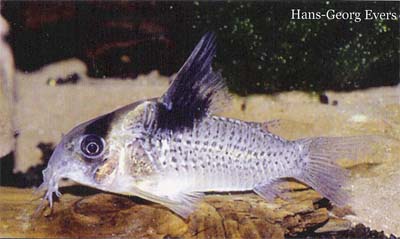
至於那個不知道啥碗糕鼠其實在水族館中並不會不常見. 我至少在南部幾家量販店都看過幾隻, 基本上是比超級舒瓦茲的成魚小一點而已, 乍看之下有點像日本人講的Corydoras highfin (一個不知所云的物種, 好像只要背鰭高一點就是highfin, 我認為所謂highfin只是一群背鰭會拉高的鼠魚的集合), 但是highfin的點沒那麼圓排列沒那麼亂而且身高沒那麼高. 比較起brevirostris來說斑點少了好幾排, 比起surinamensis來說點又亂一點點(註二)....在台灣鼠魚網中曾經對此種鼠魚進行討論(我指的是"阿豪"那隻), 有人認為是C152(產於Tapajos), 但是DATZ所定義的C152是條半長吻鼠魚, 日名是アルトタパジョス・ハイフィン, 所以大概不是C152. 也有人建議是Corydoras sp. "Rondonia melanistius", 日名是コリドラス “ロンドニア メラニチウス, 嗯, 有點像, 但是因為網頁上顯示的是小魚, 看起來在成長之後變數也很大. 另一個可能性是AQUASHOP つきみ堂所顯示的一隻叫Corydoras Purus Shortbody (プルス ショートボディ)的玩意兒(普魯斯短身鼠?). 記得我說過第一次買到這隻鼠魚是在"阿勇水族的阿瑪帕馬鞍鼠"(=華洋的黑頭豹鼠. =石頭水族&APT的怪怪阿卡西鼠)所挑到的. 雖然說阿勇的阿瑪帕馬鞍鼠的命名有了Amapa一詞, 但我卻找不到任何產在Amapa的鼠魚具有這樣的體型斑紋. 倒是石頭水族&APT所進口的怪怪阿卡西鼠來自Rio Purus這件事情讓我對今天所買到的不知啥碗糕鼠的來源信心大增. 查找了一會兒以後在松坂實經營的Evelynae這家店的網頁中找到了如上圖那條魚(我認為這條魚是一隻斑紋不太發達的個體). 不過我們目前對這些魚的取樣還不夠多, 所以還不能回答體側斑點排列方式, 點的粗細, 側線黑帶是否清楚或完整, 體高差異, 背鰭高低, 硬棘的顏色等等特徵是否可作為種級的鑑定依據. 以蝙蝠俠鼠(=公主二線鼠, 舒瓦茲鼠)來說, 其模式標本所顯示的魚具有相當整齊的斑紋, 但是實際上在飼養的過程中我們可以發現, 體側線條的連續性與排列整齊程度可隨成長而改變(也就是ontogenetic changes). 因此這些狀是brevirostris或melanistius的魚倒底包含了幾個物種並不是一個容易被回答的問題.
我覺得有必要說說Amphiuma是什麼樣的生物, 網路上一些人在那邊講來講去的, 還有人問"是不是烏龜啊"(.......覺得被卡車撞到). 首先Amphiuma的正統中譯是兩棲鯢, 是有尾類(Caudata)演化中相當晚出現的演化支系, 現生物種只有三個種, 皆產於北美, 已知最早的化石出現在更新世的晚期, 其姐妹群被認為是分布在新世界的無肺螈科(Plethodontidae). 很多中文網頁把Amphiuma稱為"鰻螈", 其實是一種錯誤. 鰻螈應該是指有尾類的鰻螈科(Sirenidae), 這個科在現生兩生類的演化上算是挺早出現的類群, 最早的化石出現於第三紀左右, 而比它還要古老的類群只有大鯢科+小鯢科. 好, 那兩棲鯢和鰻螈怎麼分? 就一整個差很多, 兩棲鯢還有兩對小小的腳, 無外鰓, 但有鰓裂; 但是鰻螈的成體還保有外鰓, 只有前肢而無後肢. 網路上還有人扯到蚓螈, 阿就真的誤會大了. 蚓螈是無足目(Gymnophiona or Caecilia)的生物, 和有尾目的鰻螈或兩棲鯢一整個沒關係, 所以請不要搞錯了. 兩棲鯢基本上算是一種脾氣不好的動物, 夜行性, 食量大, 不適合與其它任何生物混養, 非常容易逃脫, 因此一定需要加蓋. 此外兩棲鯢對水質的要求很高, 所謂的要求高並不是要清澈的新水, 而是需要舊水, 因其脫皮的時候容易讓水中充滿黏液, 因此過濾設備就要保持清潔. 此外個體大小差異太多不宜混養, 以免同類相食.
- 註一: 在台灣, "馬鞍鼠"與"雙色鼠"兩個名字已經被各盤商混用, 然後再在各水族論壇以訛傳訛. "馬鞍鼠"一開始指的是Corydoras ephippifer, 所謂的"正品"似乎只有石頭&APT進口過. 但是馬鞍鼠一詞後來就開始被挪用到其它物種. "金頭馬鞍鼠"一詞的出現就是一例. 事實上我不知道"金頭馬鞍"一開始所指稱的倒底是那隻鼠魚? 有人認為"金頭馬鞍"指的是brevirostris, 但是鼠魚春秋使用"黑點豹鼠"來稱呼brevirostris. 那麼黑翅豹鼠又是什麼呢? 一般的中名學名對應指向melanistius, 但是真正的melanistius又應該來自圭亞那. "阿瑪帕馬鞍鼠"一詞就更是離奇了. 真正的馬鞍鼠本來就是來自Amapa地區, 所以這個中名感覺就是畫蛇添足. 偏偏被叫作"阿瑪帕馬鞍鼠"的魚還有相當大的可能不來自Amapa呢! 所謂的"阿瑪帕馬鞍鼠"經常被當成"馬鞍鼠"販賣, 因此也有人稱為山寨馬鞍鼠. [2010-06-30確認所謂的阿瑪帕馬鞍鼠比較可能來自巴西的Purus, 日名稱為コリドラス・プルスアガシジィ, 中文亦稱普魯斯阿卡西鼠長吻型]
- 註二: 比較適合surinamensis的中名應該是"蘇利南鼠", 不過我懷疑在熱帶魚貿易中有真正的蘇利南鼠流通(如果有的話, planetcatfish就不會只擺模式標本照片了). 有些鼠魚網頁是會擺一些所謂的surinamensis的照片, 但是看起來都是鑑定錯的. 但是台灣水族市場為何在今年有"蘇利南鼠"呢? 我看過台北水街所謂的"蘇利南鼠"以後, 我認為那應該是類似所謂半長吻melanistius.
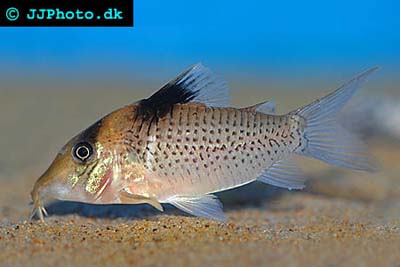
圖片連結: オオツカ熱帯魚, Evelynae, dizzypoint, B-Box Aquarium, 台灣鼠魚網(photo credit: 曾偉杰)
2009年12月4日 星期五
喀麥隆產蟾蛙之生物地理與一新種 - Phrynobatrachus chukuchuku之描述
 文獻來源: Zimkus BM. 2009. Biogeographical analysis of Cameroonian puddle frogs and description of a new species of Phrynobatrachus (Anura: Phrynobatrachidae) endemic to Mount Oku, Cameroon. Zoological Journal of the Linnean Society 157(4): 795-813.
Abstract
Patterns of species divergence amongst 13 species of Phrynobatrachus from Cameroon were analysed using phylogenetic analyses of mitochondrial DNA sequence data from 12S rRNA, valine-tRNA, and 16S rRNA. A clade endemic to the mountains of western Cameroon and eastern Nigeria, part of the geologic rift zone termed the Cameroon Volcanic Line, supports the view that montane regions have acted as centres of speciation. Bioko Island (Equatorial Guinea), located 32 km off the coast of Cameroon, is populated by three different lowland Phrynobatrachus species from the mainland. Two of these species, Phrynobatrachus auritus and Phrynobatrachus cornutus reach submontane elevations on Bioko Island (up to 1200–1300 m) but are present only at lowland elevations on mainland Cameroon. A new miniature species of puddle frog of the genus Phrynobatrachus restricted to Mt Oku in the Republic of Cameroon is diagnosed on the basis of morphological characters and molecular data. Unlike all other miniature Phrynobatrachus (snout–vent length < 20 mm), males of this species have unique ventral coloration characterized by a black throat, dark brown to black pectoral and abdominal regions, and a light or white area on the proximal hind limbs. Minute spines cover the venter in males, often appearing as white asperities. The description of this new species supports the significance of this montane ecoregion as a biodiversity hotspot for anurans.
圖片連結: Arkive.org (photo credit:Michele Menegon) (圖片中顯示為Phrynobatrachus uzungwensis)
2009年12月2日 星期三
哥倫比亞亞馬遜盆地部份所產箭毒蛙之一新種 - Ranitomeya defleri
 文獻來源: Twomey E, Brown JL. 2009. Another new species of Ranitomeya (Anura: Dendrobatidae) from Amazonian Colombia. Zootaxa 2302: 48-60.
Abstract
We describe a new species of Ranitomeya (family Dendrobatidae) which we discovered on a recent expedition to the Río Apaporis region in southeastern Colombia. This species had previously been referred to as Dendrobates quinquevittatus sensu Silverstone, based on a single specimen collected in the 1950s from the mouth of Río Apaporis. We found additional specimens from two sites in this region; near the town of La Pedrera (Departamento Amazonas), and on the lower Apaporis (Departamento Vaupés). We also found several R. ventrimaculata, and the two species are likely sympatric throughout much of this region. Although the new species and R. ventrimaculata have similar life-history attributes (such as using similar bromeliads for tadpole deposition), the two species clearly differ in color pattern and advertisement call parameters. Ongoing molecular studies indicate that the new species is not closely related to the sympatric R. ventrimaculata, but rather is sister to an apparently undescribed species of Ranitomeya from the upper Brazilian Amazon.
圖片來源: 由Dr. Evan Twomey所提供(也就是Dendrobates.org的webmaster)
西非賴比瑞亞Nimba山脈產節蛙科之一新種 - Arthroleptis langeri
 文獻來源: RÖDEL M-O, DOUMBIA J, JOHNSON AT, HILLERS A. 2009. A new small Arthroleptis (Amphibia: Anura: Arthroleptidae) from the Liberian part of Mount Nimba, West Africa. Zootaxa 2302: 19-30.
Abstract
A new small West African Arthroleptis from the rainforest at the south-eastern tip of Mount Nimba, Liberia is described. The new species differs from all known congeners by the combination of a unique color pattern, a rounded canthal region and a completely smooth skin. The comparison of 592 base pairs of the mitochondrial 16S rRNA from the new species with Arthroleptis samples from all over West Africa, revealed genetic distances between 13.4–17.9%. From the morphologically similar A. aureoli the new species differed by 17.9%. Future research may reveal the necessity to establish a new genus for this peculiar new frog.
圖片來源: Dr. Mark-Oliver Rödel, Museum für Naturkunde, Leibniz Institute for Research on Evolution and Biodiversity at the Humboldt University Berlin
2009年11月28日 星期六
粒腺體基因體與核基因rag1資訊在蚓螈系統分類與親緣關係重建上的應用
 superlink: http://sysbio.oxfordjournals.org/content/vol58/issue4/images/large/sysbiosyp043f01_3c.jpeg
文獻來源: San Mauro, Diego; David J. Gower, Tim Massingham, Mark Wilkinson, Rafael Zardoya and James A. Cotton. 2009. Experimental design in caecilian systematics: phylogenetic information of mitochondrial genomes and nuclear rag1. Systematic Biology 58: 425-438.
Abstract
In molecular phylogenetic studies, a major aspect of experimental design concerns the choice of markers and taxa. Although previous studies have investigated the phylogenetic performance of different genes and the effectiveness of increasing taxon sampling, their conclusions are partly contradictory, probably because they are highly context specific and dependent on the group of organisms used in each study. Goldman introduced a method for experimental design in phylogenetics based on the expected information to be gained that has barely been used in practice. Here we use this method to explore the phylogenetic utility of mitochondrial (mt) genes, mt genomes, and nuclear rag1 for studies of the systematics of caecilian amphibians, as well as the effect of taxon addition on the stabilization of a controversial branch of the tree. Overall phylogenetic information estimates per gene, specific estimates per branch of the tree, estimates for combined (mitogenomic) data sets, and estimates as a hypothetical new taxon is added to different parts of the caecilian tree are calculated and compared. In general, the most informative data sets are those for mt transfer and ribosomal RNA genes. Our results also show at which positions in the caecilian tree the addition of taxa have the greatest potential to increase phylogenetic information with respect to the controversial relationships of Scolecomorphus, Boulengerula, and all other teresomatan caecilians. These positions are, as intuitively expected, mostly (but not all) adjacent to the controversial branch. Generating whole mitogenomic and rag1 data for additional taxa joining the Scolecomorphus branch may be a more efficient strategy than sequencing a similar amount of additional nucleotides spread across the current caecilian taxon sampling. The methodology employed in this study allows an a priori evaluation and testable predictions of the appropriateness of particular experimental designs to solve specific questions at different levels of the caecilian phylogeny.
2009年10月30日 星期五
印尼巴布亞省Foja山區新種雨濱蛙 - Litoria gasconi
 文獻來源: Richards SJ, Oliver PM, Krey K, Tjaturadi B. 2009. A new species of Litoria (Amphibia: Anura: Hylidae) from the foothills of the Foja Mountains, Papua Province, Indonesia. Zootaxa 2277: 1–13.
Abstract
Litoria gasconi sp. nov. is described from low, forest-covered ridges on the southern edge of the Foja Mountains, Papua Province, Indonesia. It is most similar to Litoria multiplica (Tyler, 1964) but can be differentiated from that species and all other described Litoria by a unique combination of characters including moderate size (males 39.3–41.6 SVL), green dorsum with yellow spots in life, relatively large eyes (EYE/SVL 0.12–0.15), dermal ridges below the vent and on the posterior edge of both fore and hindlimbs, complete absence of blue thigh and lateral colouration, and its unique advertisement call consisting of a single soft, distinctly pulsed chirp. New data on the morphology and ecology of the superficially similar and poorly known species Litoria multiplica are also presented. Recent surveys in the Foja Mountains have revealed a diverse frog fauna with numerous unrecognised or poorly known taxa; these ranges are likely to be a previously unrecognised and largely unexplored centre of tropical vertebrate endemism.
2009年10月10日 星期六
梭德氏赤蛙的族群遺傳研究結果不支持根據幼體形態將之切割為兩個種的假說(也就是說多齒赤蛙應為無效種), 而此蛙在台灣的族群遺傳結構格局可能導因於多次入侵
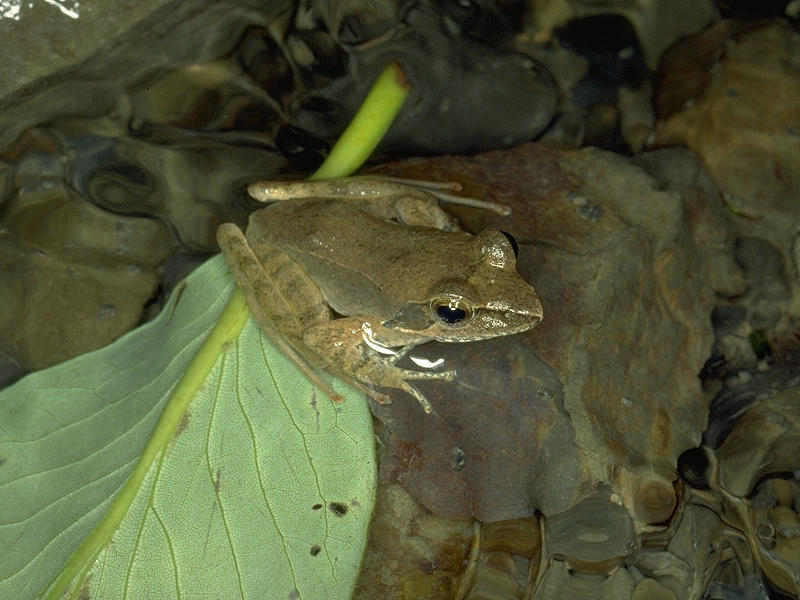 文獻來源: Jang-Liaw NH (張廖年鴻), Lee TH. 2009. Intraspecific Relationships of Populations of the Brown Frog Rana sauteri (Ranidae) on Taiwan, Inferred from Mitochondrial Cytochrome b Sequences. Zoological Studies 26(9): 608-616.
Abstract We studied the phylogenetic relationships among populations of Rana sauteri using partial sequences of the mitochondrial cytochrome b gene from 244 samples from 29 localities In Taiwan. We detected 77 haplotypes among these sequences. The phylogenetic trees contained five distinct lineages: the northern (NL), eastern (EL), southern hill (SHL), northern mountain (NML), and southern mountain (SML) lineages, defined by geographical distribution. The lineage phylogeny did not support the two-species hypothesis Inferred from larval morphology. To describe the possible colonization history of R. sauteri in Taiwan, we propose hypotheses of within-island differentiation and a multiple-invasion model. Using a molecular clock, we estimated the order of divergence times between lineages in order to test the migration hypothesis. The multiple-invasion model was well supported by the phylogeny and a nested clade network.
圖片連結: 環境資訊中心 (作者: 李鵬翔)
2009年9月12日 星期六
厄瓜多西北部產瞻星蛙科玻璃蛙屬新種 - Teratohyla sornozai
 文獻來源: Cisneros-Heredia DF, Yanez-Munoz MH, Ortega-Andrade HM. 2009. Description of a new species of Teratohyla Taylor (Amphibia: Athesphatanura: Centrolenidae) from north-western Ecuador. Zootaxa 2227: 53-62.
Abstract
We describe a new species of Glassfrog of the family Centrolenidae. This new taxon, Terarohyla sornozai sp. nov., is diagnosed by having a protruding snout in lateral profile, uniform green dorsal colouration in life, concealed prepollex, extensive webbing between the outer fingers, fully webbed toes, and small body size. It inhabits the Non-Seasonal Evergreen Foothill and Lowland forests in the provinces of Esmeraldas, Imbabura, and Pichincha, north-western Ecuador.
訂閱:
文章 (Atom)