2009年1月15日 星期四

阿豬不跪下來是吸得到奶喔?

這則新聞一點都不好笑, 而且很蠢. 首先是拿人類種族的膚色, 舊社會的貞操觀, 還有街頭巷尾三姑六婆的八卦口舌場景來當橋段寫這個新聞...腦袋是壞了嗎還是真的不知道這樣的文字不恰當? 還有那個豬跪乳, 你是有看過母豬站著餵奶嗎? 牠是大象還是馬啊? 然後小豬都那麼大隻了如果要躺著吸母奶, 那個體位也橋不到啊. 所以牠當然只能前肢跪地啊, 要不是要牠自己擠一瓶坐在地上喝嗎? 什麼鬼啊. 難道說媽媽在家跪在地上擦地板是對土地的熱愛嗎?

「豬」胎暗結? 黑爹娘生出白娃娃 洪祥和/花蓮報導 [全文連結]

兩隻黑山豬竟生出小白豬!吉安鄉統冠汽車修理廠老闆徐春榮一年前買來兩隻全黑的山豬王與山豬后,日前卻生下一隻白色豬王子,有如同兩個黑人生下一個白小孩,讓人不得不懷疑豬后是否紅杏出牆?但徐老闆捍衛豬后清白,強調「她唯一的愛人就是山豬王!」

徐春榮去年農曆春節前,向友人購得兩隻剛滿一個多月的山豬王與山豬后,牠們全身毛色烏黑,動作敏捷,模樣可愛,深受員工與鄰居喜愛。去年六、七月,山豬王正值發情期,情緒陰晴不定,常常把顧客送修的車輛,當作發洩的玩具,尖銳的獠牙常在車身磨牙,徐老闆擔心牠攻擊人,便將牠送人。 山豬王離開後,豬后竟身懷六甲,去年年底產下一隻豬仔,修車廠員工一方面開心,一方面卻懷疑豬后對豬王的忠貞。豬王不在,牠怎麼暗結「豬」胎?

豬后不理會異樣眼光,堅強養活這隻小白豬
。寒流來襲,牠會在廢棄車輛下方,挖地洞,帶豬兒子躲進去避寒。小白豬肚子餓,發出「咭!咭!」的尖銳叫聲,母豬會自動側躺。小白豬也懂得感謝母親的養育之恩,採跪姿,吸吮母乳,徐老闆看了深受感動。


鄰居笑小白豬是雜種。徐春榮卻力挺豬后貞節,他說:「這是牠首度懷胎,也沒出去跟其他豬公私會,小白豬的確是山豬王的種。」
花蓮種畜繁殖場場長林正鏞表示,黑色山豬要產下白子小豬,機率非常低,但一般經人工飼養繁殖的山豬,許多品種已不純,研判山豬王與山豬后的上一代,可能與一般白豬配種。

紋面蛇頸龜是什麼碗糕

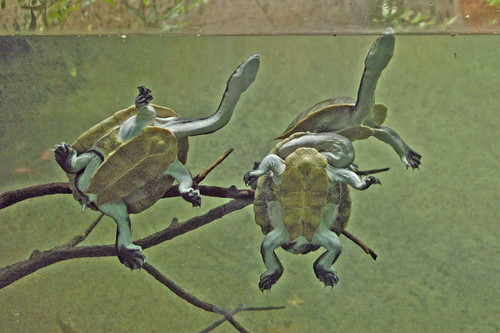
這張照片是從別人的flickr相簿所看到的, 所以在這邊做一個連結. 由於我們也才在一年多年到過聖地牙哥動物園, 所以對這幾隻紋面蛇頸龜(Chelodina parkeri)很有印象 [見San Diego Zoo的解說], 由其是對他們對淡水龜鱉類的展場布置與照護感到很有興趣. 一般來說Chelodina屬的蛇頸龜因為頸部極長, 好動, 爪利, 因此在視覺上看起來是相當大的淡水龜. 不過很多飼養者常常忽視牠們的需求, 只把他們丟在淺淺的水中, 與其它在陸地上行動迅速的水龜搶食飼料. 在大多數專業動物園的設計上都會給蛇頸龜類較深的水位, 足夠的小魚, 以及看起來較自然的陸域, 通常是大型的沉木, 而這個部份台灣的飼養者可能比較不容易營造. 至少我們是沒有在任何一個國外動物園看過管理員當著遊客的面丟什麼水龜飼料就是了 (也可能是我們沒看到). 這個youtube上的影片顯示兩隻被關在大水槽中的紋面蛇頸龜, 張貼影片的主人本來應該是想要分享(或是炫耀)他養了兩隻昂貴的紋面蛇頸龜, 不過引來不小的批評. 他的飼養缸根本就缺乏日曬場(basking platform), 也就是說他的兩隻蛇頸龜根本無法到水面上日曬, 也只能在水中睡眠(或不能睡覺?). 這個傢伙大概以為是在養豬鼻龜還是海龜吧? 此外, 台灣近幾年進口了大量的蛇頸龜(Chelodina longicollis)幼體, 由於牠們的成長非常快速, 而且不是一般小魚缸可以裝的下, 因此是否未來又會因為沒耐性又搞不清楚狀況的飼主遺棄而到處出現在台灣的自然環境中是值得觀察的.

圖片連結:
auntie.rain之Flickr相簿

2009年1月14日 星期三

硫磺澤巨蜥是什麼碗糕?

廣義的澤巨蜥(Varanus salvator)的系統分類才在2007年由Koch等人發表, 然而在他們的研究中, 硫磺澤巨蜥, 也就是所謂的Varanus salvator "Sulphur phase" (德文拼為Sulfer, 日本人則經常誤拼為Sulpher)卻未被提及. 主要的原因是硫磺巨蜥的確實採集地其實並不明確. 我們事實上不能完全相信CITES證明上的產地, 因為那些產地很可能是不確實的. 就體色來說, 這隻漂亮的巨蜥的確類似V. cumingi, 然而根據Koch與我們的通訊與討論, 牠們不太可能來自菲律賓, 而比較可能是Sulawesi島群的生物. 飼養這些半水棲巨蜥的最大問題就是牠們的龐大尺寸並不是一般寵物飼養者可以處理的尺吋, 而且很多人養巨蜥真的就只是讓牠們活著, 養得胖胖的然後再貼圖"讓大家看看我家的巨豬". 我很懷疑這樣的飼養意義倒底是什麼呢? 此外販賣這些首次進口野生物的店家應該也要有一些責任告訴大家飼養這些野生生物的責任以及風險. 尤其是未來一般家庭缺乏空間以及寄生蟲的問題. 有關澤巨蜥的寄生蟲可參考許多的文章, 例如台灣大學動物學研究所施秀惠老師多年前所發表的水巨蜥吸蟲報告[全文下載].

圖片連結: ReptilX.com

2009年1月13日 星期二

2009-01-12新進魚隻

Corydoras C71 x 2 (阿就再買)
Corydoras serratus x 1 (阿就挑到)
Corydoras elegans x 3 (阿就順便)
Rhynchodoras woodsi 怪嘴盔甲貓 x 3
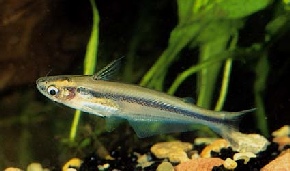
Iguanodectes adujai 彩虹蜻蜓燈 x 5 (參見evcafe的解說)
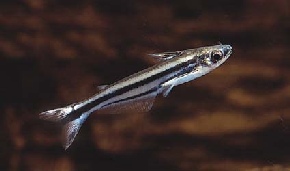
Bryconella pallidifrons 黑鑽金線燈 x 2 ()
Micralestes acutidens 藍線剛果燈 x 5
Neolebias powelli 小丑短筆燈 x 5
Raiamas christyi (=Opsaridium christyi) 翠綠小丑鯽 x 3
Microrasbora erythromicron 藍帶斑馬 x 4
Danio sp. Burma (or Myanmar) 藍珍珠斑馬 x 4
Chela dadyburjori 藍珍珠燕子燈 x 5
Melanotaenia boesemani 石美人 x 2 (這年頭的人工魚好醜啊) (養一天立刻改口: 其實人工魚還是不錯的)
Melanotaenia lacustris 藍美人 x 3
Melanotaenia splendida australis "紅尾美人" (=埃及美人) (鑑定有疑義) x 3
Glossolepis multisquamatus "紅美人" (中文俗名有疑義) x 3

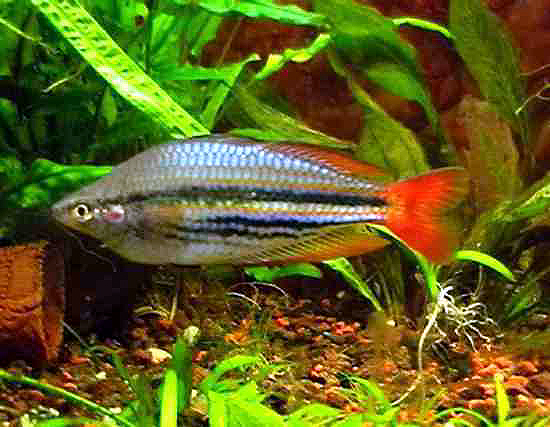
俗稱彩虹(rainbowfish)或美人的黑帶魚科, 過去曾經有相當多璀燦繁多的種類出現在台灣的水族市場上, 然而目前在台灣水族市場上流通的種類相當地少, 而且來自本島魚場的魚種很可能有雜交或是鑑定錯誤的問題. 目前在鑑定上大概不會有問題的是"石美人" (Melanotaenia boesemani), "藍美人" (Melanotaenia lacustris)以及"彩虹美人" (=翡翠美人) (Melanotaenia parkinsoni), 然而"紅美人", "電光美人"與"紅尾美人"卻可能大有問題. 首先是"電光美人"這個中文俗名, 在網路搜尋上至少可以對應到Glossolepis multisquamatus, Melanotaenia praecox甚至是Melanotaenia trifasciata這三個截然不同的物種. 然而, 根據至少在這兩年在台灣水族市面上的觀察, 我們認為所謂的"電光美人"應該原本是套用於M. praecox這個魚種上的. "紅美人"這個詞的套用更是混亂, 如果根據台灣的一些觀賞魚組織對本島魚場出產魚種的資訊, "紅美人"的學名被冠以Melanotaenia splendida, 然而實際上從各盤商所看到的魚顯示台灣魚場目前所稱的"紅美人"其實是Glossolepis multisquamatus, 也就是紅蘋果(Glossolepis incisus)的近似種. 此外, 被稱為"紅尾美人"的物種也不只一個. 除了Melanotaenia splendida australis之外, 還有Melanotaenia maccullochi. 如果以google來搜尋兩種魚的圖片就會發現, 這兩種魚的尾鰭都是紅色的, 側線下的腹面也有多道黑紋, 乍看的確十分相似. 但仔細一看還是會發現, M. splendida australis的側線上方是缺乏如maccullochi般虛線狀的細紋的. 也就是說, 雖然以紅尾美人在網路上搜尋會得到M. maccullochi的圖片, 然而台灣市面上販賣的紅尾美人其實應該是M. splendida australis. 此外還有一種黃金美人(Melanotaenia herbertaxelrodi), 在本島魚場中似乎很難見到, 不過近來在南部水族館中則可見到輾轉自中國天津進口的魚隻.

魚隻來源: 台族貿易, 華洋貿易, 石頭水族, 公園水族
圖片連結: keivic, Ricardo Kobe, 以及teejaybee之Flickr相簿, 日本rva, wallpaperfishtalk, mikes-machine.mine.nu,

馬來西亞官員救出兩千多隻蜥蜴免成盤中飧

馬來西亞官員救出兩千多隻蜥蜴免成盤中飧
2009-01-13 中國時報【中廣新聞/謝佐人】

馬來西亞野生動物官員破獲大批野生動物走私,解救了兩千三百多隻稀有蜥蜴,使牠們免於被送進野味餐廳,成為盤中飧。馬國官員表示,他們在一個貨櫃中發現許多巨大蜥蜴被關在籠子中,這些動物都準備送往馬來西亞國內外許多野味餐廳。除了兩千多隻稀有蜥蜴外,還有三百多隻貓頭鷹屍體,二十多隻熊掌,這批動物,不論死的活的,總共價值五十萬馬幣,約合(美金十四萬元)新台幣四百六十多萬元。有關當局已逮捕三名涉嫌走私這批動物的男子,他們可能被判處三年有期徒刑。[註: 根據外電報導這些巨蜥是指瀕臨絕滅的雲斑巨蜥 (或稱點斑巨蜥, 暗色巨蜥]

Huge haul of dead owls and live lizards in Peninsular Malaysia

Almost 900 “oven-ready” plucked owls and other wildlife were seized during raids in Malaysia Click photo to enlarge ©Chris R Shepherd / TRAFFIC Kuala Lumpur, Malaysia, 12 November 2008—Over 7,000 live Clouded Monitor Lizards and almost 900 dead owls plus other protected wildlife species have been seized in two raids in Peninsular Malaysia.

On 4 November, the Department of Wildlife and National Parks (Perhilitan) staff raided a house in Muar, in the state of Johor, and found in a freezer and storage room 796 Barn, 95 Spotted Wood, 14 Buffy Fish, 8 Barred Eagle and 4 Brown Wood Owls, 2 Crested Serpent Eagles, 51 live Clouded Monitor Lizards, 4 live juvenile Wild Pigs, plus parts of one or more Wild Pig, Malayan Porcupine, Reticulated Python, Malayan Pangolin, Sun Bear and Greater Mouse Deer.

A local man was arrested and remanded in custody for three days, but pleaded not guilty and was released on bail of MYR19,000 (USD5,300). Information obtained during the raid led to a second raid on a storage facility in Segamat, Johor, on 7 November 2008, when 7,093 live Clouded Monitor Lizards were seized, but no arrests made. “The number of owls and monitor lizards seized is truly staggering,” said Chris R. Shepherd, Senior Programme Officer for TRAFFIC’s Southeast Asia office. “This is the first time we know of where ‘ready-prepared’ owls have been seized in Malaysia, and it may mark the start of a new trend in wild meat from the region. We will be monitoring developments closely.” All the animals seized are believed to have originated in Malaysia and were probably bound for China, to be sold in wild meat restaurants.

All are protected to some degree under Malaysian national legislation, and most are listed in CITES (the Convention on Illegal Trade in Endangered Species of Wild Fauna and Flora), with Clouded Monitor Lizard and Sun Bear in Appendix I, which prohibits international trade, whilst most other species, including all the owls, listed in Appendix II, which restricts such trade.

“Malaysia is home to a vast array of amazing wildlife,” said Shepherd. “However, illegal hunting and trade poses a threat to Malaysia’s natural diversity. “TRAFFIC applauds the actions taken by Perhilitan, and urges the public to report cases of illegal hunting and trade to the authorities. “TRAFFIC also encourages countries where these cargoes are bound to be vigilant to prevent the illegal import of wildlife from Malaysia and elsewhere.”

Malaysia is a member of the ASEAN Wildlife Enforcement Network (ASEAN-WEN), a partnership that seeks to end illegal cross-border wildlife trade in the region.

For further information:
Chris R. Shepherd, Senior Programme Officer for TRAFFIC Southeast Asia (in Malaysia) tel: +603 78803940, cell: +6 012 234 0790, E-mail: cstsea@po.jaring.my

Richard Thomas, Communications Co-ordinator, TRAFFIC. Tel: +44 1223 279068, mob + 44 752 6646 216. E-mail richard.thomas@traffic.org

圖片連結: wildlifeatrisk.org

2009年1月12日 星期一

2009-01-12新進動物

Tiliqua scincoides intermedia x 2

其實我們一直沒有弄清楚藍舌蜥的分類和鑑定是怎麼一回事. 在台灣的市面上流通的藍舌蜥主要是有兩"種", 但中文網頁的資訊頗亂. 然而這樣的亂事實上也不全然是中文資訊以訛傳訛的結果, 而是Tiliqua屬本身在分類歷史上的混亂與缺乏整理. 如果根據Wikipedia的說明, Tiliqua這個屬扣掉松果蜥含有6種. 市面上最常見的一種叫"斜紋藍舌蜥" (=巨型藍舌蜥, 巨型斜紋藍舌蜥, 印尼藍舌蜥). 也就是身體是黑灰綠相間的那個種, 許多中文網頁把學名書寫為Tiliqua scincoides gigas, 但其實scincoidesgigas根本是不同的物種, 所以真正的巨型藍舌蜥, 也就是印尼藍舌蜥應該是Tiliqua gigas gigas. 但市面上以這樣的中文名字流通的還有一種"比較紅"的物種, 看起來是比較像Tiliqua sp. Irian Jaya. 當然台灣還是有少數的其它藍舌蜥在流通, 但數量都非常地稀少. 雪梨大學的Glenn Shea曾經撰寫Tiliqua屬的分類為提的博士論文. 然而該論文至今仍未發表因此難以依據判斷市面流通物種鑑定的正確性

圖片連結: ペポニ名東店

所以這年頭的加溫器是怎樣啊

這兩天冷吱吱, 就多買一些加溫器給小缸使用, 但是很多加溫器的設計就一整個令人火大. 電線是很貴嗎? 做那麼短是要給誰用啊? 控溫部份下面就是插頭, 那插在插座上, 尤其是有小燈的延長線上, 旁邊的插座還要用嗎? 喔還有, 現在的插頭金屬片都是一大一小, 這些加溫器插頭的鐵片方向若是插在延長線上, 就會壓到指示燈, 這是怎樣啊. 有些加溫器的控溫部份離插頭是有一段距離, 但是線做那麼短, 是要幹嗎? 加溫管到控溫部份的線做那麼短, 阿是說那個加溫器只能用在2尺缸嗎? 阿那深超過40cm的水族箱不就控溫器泡水? 設計這些加溫器的人是在想什麼啊~~~還沒講完. 有一個牌子, 一個控溫器可以接兩隻加溫管的, 爛死了. 只要有一點點溫度變化, 或是跳電再來電, 就逼逼逼叫不停, 然後溫度顯示就一整個變成LL或是乾脆不顯示. 阿就想到, 發洩一下.

2009年1月11日 星期日

委內瑞拉產大吻陶樂鯰(怪嘴盔甲貓)一新種

文獻來源: Birindelli, J. L. O., M. H. Sabaj & D. Taphorn. 2007. New species of Rhynchodoras from the Río Orinoco, Venezuela, with comments on the genus (Siluriformes: Doradidae). Copeia, 2007 (3): 672-684. [全文連結]

A new species of proboscoid thornycat, Rhynchodoras castilloi, is described from the Río Apure, Orinoco basin, Venezuela. The new species is distinguished from R. woodsi (Essequibo and Amazon basins minus Xingu and Tocantins basins) by having a simple gas bladder (vs. each posterior chamber of gas bladder expanded into elongate horn-like diverticulum) and tubercles punctate and abundant (vs. tubercles elongate, dash-like, and sparse). The new species is distinguished from R. xingui (Xingu and Tocantins basins) by having all three tympanal scutes weakly developed (vs. second and particularly third well developed, latter with medial carina), midlateral scutes modally 35 per side, range 34-36 (vs. 34, range 33-34), and anterior midlateral scutes relatively shallow, depth about one-fifth (vs. about one-third to one-quarter) of corresponding body depth, with weakly developed dorsal and ventral laminae lacking distinct serrations along posterior margins (vs. dorsal and ventral laminae of midlateral scutes well developed with conspicuously serrated posterior margins). The type species, R. xingui, is distinguished from R. woodsi by having a simple gas bladder (vs. with two posterior horn-like diverticula), midlateral scutes modally 34 per side, range 33-34 (vs. 35, range 34-37), and anterior midlateral scutes with conspicuous medial thorns (vs. thorns absent or weak, procumbent). Notable features of the genus are discussed, including jaw and gas bladder morphology, development of anterior nuchal plate, presence of multiple pores in skin beneath postcleithral process, and tubercle morphology and distribution. Shared derived characters suggest a sister-group relationship between Rhynchodoras and Rhinodoras plus Orinocodoras.

延伸閱讀: practicalfishkeeping對這隻新魚的介紹; 近似種怪嘴鐵甲武士(=怪嘴麻花盔甲貓) (Rhynchodoras woodsi)以及黃紋大嘴鐵甲武士(Rhinodoras boehlkei)之圖片

寒假A計畫 - 爬缸重新設計

我們的爬缸又重新設計了, 因為原來雙開的門實在是佔用走道空間, 之前舊的設計也未考慮到不開門就可以餵食乳鼠或蟋蟀的設計, 此外過濾以及休息的場所也在新的設計中規劃. 讓蜥蜴睡覺晒太陽用的層板形狀也改了, 讓箱內的木頭有比較好的支點.

2009-01-11新進魚隻

Cetopsis (=Cetopsidium) sp. cf. montana 紫藍鯨鮫 (=紫藍鮫鯨, 琥珀藍鯨, 紫金鮫鯨) x 3 (秘魯出口時使用的名稱為Canero Marble Blue Nanay, 另請參考秘魯出口商的網頁照片)
Trachelyopterus striatulus (= Parauchenipterus sp. Rio Preto) 巴拉圭木紋鯨 x 24 (燉當歸或枸杞好像不差)
Corydoras sp. cf. CW16 x 6
Opsodoras sp. cf. morei (= Opsodoras "humeralis") 藍色海豚鐵甲 x 2
Doras punctatus 巴西胡椒盔甲貓 (=麻花鐵甲武士, 斑紋鐵甲武士) x 3
Hassar wilderi ? (= Hassar "iheringi") 綠色海豚鐵甲 x 2
Nemadoras leporhinus 白金二線鐵甲 x 2
Leptodoras sp. cf. cataniai from Peru 白金雷達鐵甲 x 2
Platystacus cotylephorus 帝王斑鳩貓 x 1
Tatia musaica 牛奶豹鯨 (= 乳牛豹鯨) x 3 (看這邊 這邊 這邊 還有這邊)

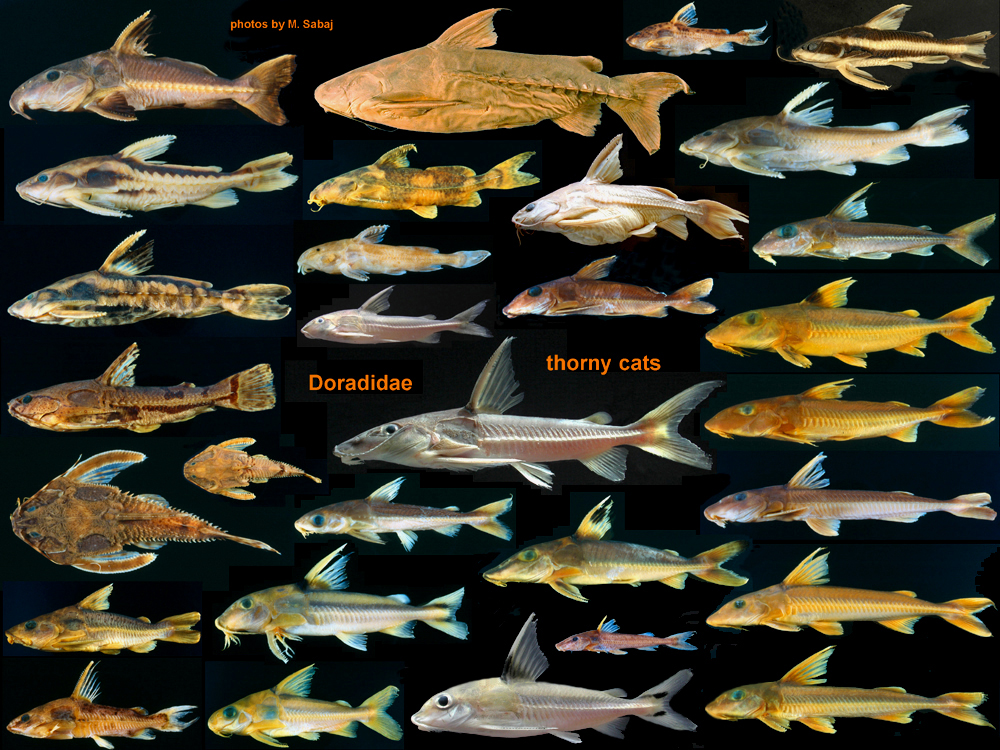
這批2008年12月進口的秘魯鯰魚花了我們一點時間鑑定. 鯨鯰科的物種很難鑑定就不再此說明了, 有興趣的人可以參考2008/08/25以及2008/12/25的文章. 而所謂的巴拉圭木紋鯨, 什麼木頭貓, 釣魚貓, 或是枯木魔鯨雖然在進口的時候通常使用Parauchenipterus galeatusP. fisheri的名義輸入, 但這個屬的有效屬明目前應該是Trachelyopterus. 此外我們也確認所謂的巴拉圭木紋鯨應該就是T. striatulus. 困難的部份其實就是在所謂的鐵甲鯰 (陶樂鯰, 或稱平囊鯰, Doradidae). 此科在台灣的能見度因為大型種類與傳統陽春種類, 如笑貓或哭貓的關係能見度其實很高. 但牠們的多樣性其實被低估了. Moyer et al. (2004)的文章就指出這個科還有許多的物種有待被描述. 相對於大型鐵甲來說體型很小的"海豚鐵甲"或"雷達鼠"在這一兩年陸續被引進台灣, 但是牠們的鑑定其實是相當困難的.
  • 綠色海豚鐵甲以"Hassar iheringi"的名義進口, 然而進口的個體事實上不是"iheringi". 台灣進口的個體吻合鯰魚星球上的"H. orestis", 然而同樣的物種到了Scotcat變成了H. wilderi, 而Scotcat上的H. orestis到了鯰魚星球則成為H. wilderi. 倒底是怎麼一回事呢? 我們若比對Eiganmann於1925年的文章所提供的繪圖(上圖), Scotcat所提供的資訊似乎是比較正確的. 這也就是說進口到台灣的"綠色海豚鐵甲"比較可能是Hassar wilderi.
  • 白金二線鐵甲(=白金二線鐵甲武士)以Opsodoras leporhinus的名義進口, 然其有效學名目前應該是Nemadoras leporhinus.
  • 藍色海豚鐵甲以"Opsodoras humeralis"的名義進口, 但若比較Eiganmann於1925年所撰文章之附圖(如下圖), 其形態有相當大的差異. 而似乎比較接近O. morei.
  • 瘦瘦長長的白金雷達鐵甲Leptodoras這個相當難以鑑定的屬. 若我們試著以Sabaj發表於2005年的論文來鑑定曾經進口至台灣的魚種. 雖然報單上寫的是Leptodoras acipenserinus (上面最下圖的a)或Leptodoras linnelli, 然而比較過後我們發現2008年底進口至台灣的種類應該是Sabaj所謂"Leptodoras sp. cf. cataniai from Peru" (最下圖的b). 而這隻魚也並不是台族貿易於2008年引進的長鼻雷達鼠(Leptodoras juruensis).
至於以CW16(或稱Corydoras "teniente")名義進口的老鼠是什麼呢? 這幾年有好幾種"咖啡鼠樣"的物種被引進, 但每次的輸入都是意外. 例如"歐加金線鼠"之類的物種. 這類"頭頂或胸鰭基部有亮紋"的似咖啡鼠種類至少也有4-5種. 不過這次以CW16身份輸入的物種卻應該不是CW16, 主要是因為身體的比例以及胸部黑斑的分布看起來非常不同. 雖然這可能不是真正的CW16, 但因為牠仍然可能是一個在科學上尚未被描述的物種, 因此仍然是值得留意的.

圖片連結: silurus.acnatsci.org

魚隻來源: 石頭水族, AquaProjectTaiwan, 台族貿易

2009年1月10日 星期六

蘇門答臘溫泉湧出溪流中產粒鯰科(蜜蜂貓)之新種

Akysis fontaneus, a new species of catfish (Siluriformes: Akysidae) from Sumatra [摘要下載]

HEOK HEE NG
Raffles Museum of Biodiversity Research, Department of Biological Sciences, National University of Singapore, 6 Science Drive 2, Singapore 117546. E-mail: dbsnhh@nus.edu.sg.

Abstract

Akysis fontaneus, new species, is described from a spring-fed stream in the Batang Hari drainage in central Sumatra. It is distinguished from congeners in having a unique combination of the following characters: weakly emarginate caudal fin, convex dorsal surface of neurocranium making predorsal profile appear steeply sloping, presence of 4 large serrations on posterior edge of pectoral spine that are more than half width of spine, predorsal length 34.5% SL, pectoral-fin length 21.7% SL, length of adipose-fin base 18.7% SL and interorbital distance 42.3% HL. Akysis fontaneus is most similar to A. heterurus, also from the Batang Hari River drainage, but the differing morphology of the predorsal area (particularly the neurocranium) and shorter pectoral fin distinguishes it from A. heterurus.

Key words: Batang Hari drainage, freshwater fish, Ostariophysi

圖片連結: Florida Natural History Museum網頁上所示之最近似種Akysis heterurus

2009年1月9日 星期五

Hyphessobrycon khardinae, 一種巴西產的"扯旗類"脂鯉新種

文獻來源: Zarske A. 2008. Hyphessobrycon khardinae sp. n. – ein neuer Blutsalmler aus Brasilien ( Teleostei: Characiformes: Characidae)". Vertebrate Zoology 58: 5–13. [全文]

Hyphessobrycon khardinae sp. n., a new characid fish (Teleostei: Characiformes: Characidae), is described from the surroundings of Tapua, rio Itaparana, Brasil. The new species belongs according to Hoedeman (1954) and Gery (1961, 1978) to the callistus-group, according to Weitzman & Palmer (1997) to the "rose tetra clade" and is characterized by the following combination of features: (1) two to five broad tri- to quincuspid maxillary teeth, (2) two to three tricuspid premaxillary teeth in the external row, (3) five broad quincuspid premaxillary teeth in the internal row, (4) 31-34 scales in a longitudinal row, (5) body relatively deep (2.62-2.93 times in SL), (6) head relatively short (4.07-4.41 times in SL) and (7) a triangular, horizontal, with the tip to the head directed humeral spot.

圖片連結: Zarske之原文 (最上圖為H. khardinae之成魚, 第二圖為真正的H. werneri, 第三圖為H. epicharis, 最下圖為H. khardinae (黑印血旗)之棲地環境)
延伸閱讀: evacafe於蝦米的說明, 以及practicalfishkeeping的介紹

2009年1月8日 星期四

幾個令人無言的宗教放生網頁

有空的人可以去逛逛, 看看能不能啟發他們的"慈悲心". 這些人實在是愚昧, 而且一整個講不聽. 台灣的生態環境已經被他們搞成這樣為什麼會無法可管呢?

Iamrim270
和平島放生活動
南天直轄全真堂放生服務
文殊師利佛學會
生命會訊 中華護生協會

此外並請參考動物社會研究會的報告[全文], 還有自由時報過去的專文

〔自由時報記者周富美╱台北報導〕台灣動物社會研究會昨天公佈「全台宗教團體放生現象調查報告」指出,台灣寺廟每年放生的魚類、鳥類、蛙類等動物超過兩億隻,總金額超過兩億元,放生地點遍及山林、湖泊、公園或高爾夫球場,行政院農業委員會表示,近期內將召開公聽會,討論放生議題。

台灣動物社會研究會與高雄市教師會生態教育中心共同合作,針對台灣兩千零七個宗教寺廟進行為期一年半的調查,結果發現全台有四百八十三個寺廟從事放生行為,比例約占四分之一,但是每年放生的動物數量卻超過兩億隻,嚴重影響生態環境。

台灣動物社會研究會理事長朱增宏指出,台灣宗教團體放生的動物千奇百怪,小到蚯蚓、魚苗,大到鴕鳥、鯊魚,除了常見的鳥類、烏龜、青蛙之外,甚至連龍蝦、猴子和蛇類都有人放生,其中有些動物是在繁殖場大量養殖後販售,被放生後容易因無法適應自然環境而死亡。

中央研究院動物研究所研究員劉小如指出,常見的放生蛙類是本土虎皮蛙,但有些民眾放生外來種牛蛙,有些外來種牛蛙會吃掉本土蛙類的卵,造成生態失衡,影響甚鉅。

調查報告也顯示,在放生活動頻率方面,有些團體週一到週五每天都在放生,有些團體是一週放生一次,有的是一個月一次,還有人集中在農曆7月放生,在眾多佛菩薩誕辰紀念日中,以釋迦牟尼佛出家紀念日、觀音菩薩聖誕、地藏王菩薩聖誕等最為熱門。

台灣動物社會研究會表示,宗教團體的放生理由眾多,有人生病要放生、希望求得好姻緣也要放生,這些都是為了一己之私從事的商業行為,希望政府日後制定相關法規,在宗教團體大量放生之前,必須透過預先申請的方式,等專家進行生態環境評估之後,再決定是否可以放生。

農委會表示,由於放生者與所放生動物之間是否具有「飼養」或「管領關係」難以認定,因此放生行為不在動物保護法與野生動物保育法規範之內,農委會近期內將召開公聽會,研擬解決之道。

**保育團體:商業放生 並非慈悲

〔自由時報記者周富美╱台北報導〕關懷生命動物保護協會秘書長釋傳法表示,放生並非佛教特有的觀念,可惜的是,如今放生已演變成商業行為,違反宗教「護生慈悲」觀念,目前宗教團體每年放生的動物數量應超過兩億隻,大量的商業放生行為不值得鼓勵。

釋傳法指出,台灣動物社會研究會長期進行宗教團體放生行為調查,該會公佈的資料可信度很高,也很有意義,由於目前放生已演變成商業化行為,為了避免生態環境遭到破壞,此一數據可提醒民眾重視放生所衍生的後續問題。

釋傳法說,宗教團體從事放生行為已行之有年,有些宗教、寺廟知道放生會引起保育團體抗議,因此對外界詢問電話多所保留、小心過濾,但是社會大眾捐助的放生善款來得又多又快,宗教團體通常很難拒絕。

她強調,有些民眾捐錢放生是為了消業障、求長壽、保健康,因而大量購買動物放生,這種「功利式交換」的功德觀,並不符合佛教「無相佈施」的觀念。

**宗教團體:繼續放生 堅持慈悲

〔自由時報記者周富美╱台北報導〕中華護生協會會員吳寂慧表示,世界上每天都有成千上萬的眾生被屠殺,人類才是破壞生態的最大殺手,放生是一種慈悲行為,可使重度危難者得到解脫,雖然放生行為遭到保育團體責難,但他們仍會堅持下去。

中華護生協會經常在不同地點,定期或不定期舉辦各種放生活動,稱之為「護生、救生活動」,希望世人尊重一切大小生物,但是該會一年前在嘉義公園小西湖放生了兩萬尾錦鯉,如今成了鷺鷥啄食的「餵鳥池」,魚兒被啄食讓人心生不忍,護生協會嘉義分會會長鍾淑芬表示,目前已派出義工看守魚池,不再讓鷺鷥啄食。 雖然保育團體批評大量放生行為將嚴重影響生態環境,但中華護生協會認為,放生本身就是救命,例如當該會獲知宜蘭南澳溪魚類資源嚴重流失,最後必須封溪護魚時,就主動聯絡當地的漁業專家,經專家評估後認為,可以在南澳溪放生香魚,該會就尊重專家意見配合放生。 吳寂慧說,該會從事放生活動時都會念佛號,如此一來,每個被放生的動物都會變成佛弟子,佛菩薩會保佑佛弟子,下輩子不要再投胎當畜生,至於保育團體的批評在所難免,護生協會仍會持續進行放生活動。

**專家建議:環保放生 平衡生態

自由時報記者周富美╱專訪

台灣農委會水產試驗所副研究員吳全橙表示,該會每年都會接到十多通詢問電話,其中大多是海釣客擔心釣了太多魚類食用心裡不安,希望捐錢請該會代為購買魚類放生作為補償,他通常會建議釣客改捐中華民國漁業永續協會,作為日後從事栽培漁業、放養魚苗的研究經費。

吳全橙指出,部分民眾不懂動物生態與特性,錯把在淡水生長的陸龜推進大海「放生」,結果變成「穩死」,還有人把淡水虱目魚丟到海水裡「放生」,結果兩、三天後魚群陸續死亡,屍體先沉到水底後再浮出水面,導致臭氣沖天,讓人對放生產生反感而抱怨連連。

吳全橙說,他曾接獲靈鷲山佛教教團詢問,在哪些地區適合放養何種魚類?他建議在基隆等有珊瑚礁地形的水域,放養以珊瑚為主食的鸚哥魚,如此一來可維持原有水域生態平衡,也能讓魚群在適合的棲息地生存。

他強調,隨著人口數量激增,漁業資源卻呈現垂直下降,在此情況下,既然宗教團體有放生的觀念,可以選擇在專家意見指導下,針對魚種特性、棲息地等條件進行評估,選擇適合當地水域的魚類進行放生,這種「環保放生」的觀念,可以在培養漁業資源與放生行為之間取得平衡點。

9/18/2004 10:37:35 AM

馬來箱龜的非法交易持續進行

Illegal trade in Malayan Box Turtles continues—TRAFFIC

The Malayan Box Turtle is disappearing across Malaysia despite a ban on its export, finds a new report by TRAFFIC, the wildlife trade monitoring network. The turtles are in high demand in East Asia for their meat and for use in traditional Chinese medicine.

The Malayan Box Turtle is a subspecies of the widespread Southeast Asian Box, which is considered the commonest freshwater turtle in South-East Asia, but despite this, and even its tolerance of manmade artificial habitats, the species is in peril due to over-exploitation finds the new report, Science in CITES: The biology and ecology of the Southeast Asian Box Turtle Cuora amboinensis and its uses and trade in Malaysia (PDF, 1.3 MB).

In 2005, an export ban on Malayan Box Turtles was introduced by Department of Wildlife and National Parks (PERHILITAN), the government’s wildlife agency in Peninsular Malaysia, and similar exports bans exist in Sabah and Sarawak.

Following the ban, exports of turtles for the pet trade in Japan, Europe and the USA apparently ceased, but the latest TRAFFIC report found widespread evidence of continuing illegal export, mainly to Hong Kong, China and a to a lesser extent Singapore.

“A harvest survey at two traders in Selangor, for example yielded 385 Malayan Box Turtles in a 38 day period; multiplying by the number of known illegal suppliers of turtles gives a conservative estimate of almost 22,000 animals illegally exported per year from Malaysia,” said Dr Sabine Schoppe, the author of the report.

The vast majority of Malayan Box Turtles illegally exported are adults, which poses a particular threat to this species, which has a slow reproductive cycle, only maturing late, and producing a limited number of eggs.

“There is no commercial breeding of Asian Box Turtle in Malaysia or elsewhere because it is expensive, time-consuming and economically unfeasible,” said Schoppe. “To meet demand, animals are being taken from the wild at an unsustainable rate, which has to be addressed or they will disappear from the Malaysian countryside.”

“Simple maths leads you to the obvious conclusion: stop the over-exploitation of Malayan Box Turtles, before we lose them.”

There are indications from every State in Peninsular Malaysia that populations of the Malayan Box Turtle are over-exploited or even locally extinct. According to local people, Malayan Box Turtles are rarely observed in the wild compared to only 5–10 years ago. The Asian Box Turtle was listed as Vulnerable to extinction by IUCN, the International Union for Conservation of Nature, in 2000.

“It is nowadays difficult to find a Malayan Box Turtle in the wild near residential or agricultural areas,” said Azrina Abdullah, Director of TRAFFIC Southeast Asia.

“Immediate action is needed to regulate exploitation for the future sustainable management of the Malayan Box Turtle.”

To help restore populations of Malayan Box Turtles, TRAFFIC recommends a total harvest ban or the strict implementation by PERHILITAN of the existing export ban for one generation to allow numbers to recover; conduct a non-detrimental finding on the Malayan Box Turtles, improvement of trade control measures, such as development of a bribe-proof CITES permit system; better international co-operation between government agencies in the region for controlling illegal wildlife trade, particularly at border crossings; and regular inspections and appropriate law enforcement actions taken against traders, markets and pet and aquarium shops trading illegally by relevant government authorities.

More information

Azrina Abdullah, Director, TRAFFIC Southeast Asia (in Malaysia) tel: +603 78803940, E-mail: azrinatsea@myjaring.net

Richard Thomas, Communications Co-ordinator, TRAFFIC. Tel: +44 1223 279068, mob + 44 752 6646 216. E-mail richard.thomas@traffic.org

東南亞斑馬魚, 大斑馬與小波魚的分子親緣關係

文獻來源: Fang, F., Norén, M., Liao, T.Y., Källersjö, M. & Kullander, S.O. (2009): Molecular phylogenetic interrelationships of the south Asian cyprinid genera Danio, Devario and Microrasbora (Teleostei, Cyprinidae, Danioninae). Zoologica Scripta, doi:10.1111/j.1463-6409.2008.00373.x

ABSTRACT

Molecular analysis of mitochondrial cytochrome b sequences from 159 species of the family Cyprinidae supports the subfamily Danioninae, of which Rasborinae is shown to be a junior synonym. Analysis of combined cytochrome b and a fragment of the nuclear rhodopsin gene from 68 species, including 43 species representing the subfamily Danioninae, supports phylogenetic distinctness of Danio and Devario. In the combined molecular analysis Microrasbora rubescens, Chela, Laubuca, Devario, and Inlecypris form a clade with M. gatesi, M. nana and M. kubotai being in sister group position to the rest. The sister group of this Devario clade is Danio. Inlecypris is synonymized with Devario. Microdevario, new genus, is proposed for M. gatesi, M. nana and M. kubotai, supported by morphological characters. In the cytochrome b analysis, M. rubescens falls outside Devario, and there is no morphological support for including M. rubescens in Devario. In the cytochrome b analysis Esomus + Danionella is the sister group of Danio and Devario clades, whereas in individual rhodopsin and combined analyses Esomus is the sister group of Danio, and of Danio and the Devario clade, respectively. Sundadanio presents at least one strong morphological synapomorphy with Danio, but is positioned in molecular trees either as a member of the Cyprininae or as sister group of the remaining Danioninae. In the morphological analysis, small-sized species grouped together based on shared reductions that are not necessarily synapomorphies. In the molecular analysis, small-sized species such as Danionella and Sundadanio possess long branches and their position varies, but they did not group together. This suggests morphological homoplasy, but phylogenetic positions are not well supported in the molecular analyses.

[在這篇文章中, 俗稱的藍色霓虹(上圖)被置入一個新屬Microdevario, 因此學名應改為Microdevario kubotai]

圖片連結: 日本rva

2009年1月7日 星期三

那隻新的粉紅鬣蜥

以下是摘錄自yahoo來自中央社譯路透社的新聞文字:

南美厄瓜多加拉巴戈斯群島 發現新物種粉紅色鬣蜥 (路透倫敦6日電)

英國生物學家達爾文(Charles Darwin)造訪加拉巴戈斯群島(Galapagos Islands)並觀察島上雀類後,提出物種多樣性的理論。不過,他未發現的粉紅色鬣蜥,可能證實物種分化出現得更早。
研究主持人、羅馬第二大學(University Tor Vergata)的詹蒂列(Gabriele Gentile)說,這項發現首度指出,這種帶有黑色斑紋的爬蟲類是一種全新物種。人類在1986年首度發現粉紅色鬣蜥,之後僅數度再發現其蹤跡。這項研究並使人類更深入地了解偏遠島嶼物種的進化過程。這些物種與數百萬年前相差無幾,且是達爾文天擇進化論的靈感來源。其中許多物種只存在於加拉巴戈斯群島。達爾文1835年造訪加拉巴戈斯群島時觀察到,分布在約100個島嶼上的雀類具有各種不同形狀的喙部。這項觀察是形成其進化理論的關鍵要點。(中央社)翻譯

以下是路透的原文 [網址]

Pink iguanas unseen by Darwin offer evolution clue Tue Jan 6, 2009 8:58am EST

By Michael Kahn

LONDON (Reuters) - Pink iguanas unknown to Charles Darwin during his visits to the Galapagos islands may provide evidence of species divergence far earlier than the English naturalist's famous finches, researchers said Monday. The findings also for the first time describe the black-striped reptiles -- first seen in 1986 and only a few more times since -- as a new species, said Gabriele Gentile of the University Tor Vergata in Rome, who led the study. They also add to understanding of the evolution of species on the remote islands, which remain much as they were millions of years ago and which inspired Darwin's theory of evolution by natural selection. Many of its species are found nowhere else. "Despite the attention given to them, the Galapagos have not yet finished offering evolutionary novelties," Gentile and colleagues wrote in the Proceedings of the National Academy of Sciences. "So far, this species is the only evidence of ancient diversification along the Galapagos land iguana lineage and documents one of the oldest events of divergence ever recorded in the Galapagos." During Darwin's visit to the Galapagos in 1835 his observations of finch varieties with different-shaped beaks scattered across the archipelago's some 100 islands were a key element in his formulation of the principles of evolution. His studies on how one type had evolved into several after a probable chance migration thousands of years earlier from the Latin American mainland lay at the heart of his major work "On the Origin of Species," published in 1859. As the finches spread around the islands and their populations became cut off from each other, the birds adapted to the food locally available by developing beaks of a shape most suitable to harvest it, his research showed. Darwin did not visit areas inhabited by the pink land iguana and so missed the species, whose existence suggests diversification in the Galapagos happened some five million years ago. That is far earlier than attributed to most other Galapagos species like the finches, Gentile said. "We were not the first to see this form but we were the first to say what it is and that it is a new species," Gentile said in a telephone interview. A genetic analysis showed that the pink reptile likely originated in the Galapagos and split from other iguana populations some five million years ago when the archipelago was still forming, the researchers said. The creatures only seem to live near a single volcano at most 350,000 years old, which means the reptiles that grow longer than a meter and up to 12 kilograms must have at one time existed elsewhere in the Galapagos, Gentile said. The researchers documented fewer than 40 of the iguanas over two years and Gentile said conservation efforts and funds are urgently needed to keep the species from dying off. "We think the population is very small and there is a great risk of extinction," Gentile said.

(Reporting by Michael Kahn; editing by Jon Boyle)

以下是義大利研究團發表於PNAS的原文連結:

An overlooked pink species of land iguana in the Galápagos

Abstract

Despite the attention given to them, the Galápagos have not yet finished offering evolutionary novelties. When Darwin visited the Galápagos, he observed both marine (Amblyrhynchus) and land (Conolophus) iguanas but did not encounter a rare pink black-striped land iguana (herein referred to as “rosada,” meaning “pink” in Spanish), which, surprisingly, remained unseen until 1986. Here, we show that substantial genetic isolation exists between the rosada and syntopic yellow forms and that the rosada is basal to extant taxonomically recognized Galápagos land iguanas. The rosada, whose present distribution is a conundrum, is a relict lineage whose origin dates back to a period when at least some of the present-day islands had not yet formed. So far, this species is the only evidence of ancient diversification along the Galápagos land iguana lineage and documents one of the oldest events of divergence ever recorded in the Galápagos. Conservation efforts are needed to prevent this form, identified by us as a good species, from extinction.

自助餐OBS是好人

話說每個月的飼料錢真的是很誇張, 就算是家樂福一把6元的A菜, 芥藍或油菜, 黑靴x1一天還是可以吃掉5把, 更不要說什麼愛吃香蕉的山龜了. 大蘇中蘇還好可以吃構樹, 所以省了很多的事, 但每個月的蔬果錢真的是太貴. 今天中午突然想到問學校自助餐的算錢OBS, 我們可不可以跟他們一起訂菜? 甚至要他們撿下來的菜葉子. 結果熱血的OBS馬上答應了, 這, 這真是太好了. 我們立刻訂了A菜等東西各5斤, 南瓜20粒. 希望在這家餐廳還沒有被學生會換掉前, 我們的動物都還有低於市價的食物可吃.

非洲玻璃貓學名訂正

非洲玻璃貓在2008年的4月與7月分別進口了一批, 不過當時我們誤判了牠的學名. 進口到台灣的物種應該是Pareutropius buffei(下圖), 而不是P. debauwi (上圖)(見Scotcat的說明). 此外這些物種原本置於Eutropiellus屬中(德國報價單上經常誤拼為Etropiella), 但根據Beninensis發表於Zootaxa的全球鯰目名錄來看, Eutropiellus已經成為Pareutropius的次同物異名, 因此進口到台灣的非洲玻璃貓的學名維持Pareutropius buffei應是合理的. 然而在國際水族市場上流通的非洲玻璃貓又經常以"Debuwi catfish"流通, 造成誤解. 這是在物種鑑定上應該要留意的.

魚隻來源: 台族貿易
圖片連結: Scotcat

2009-01-07新進動物

Boiga dendrophila x 1

此蜥之來歷與身後的故事非常像三立或民視的戲 (若有蘋果的插圖就更好了), 另外推薦這個日本人的blog, 有關飼養藍樹巨蜥的歷程. 這個blog所顯示的照片看似藍樹巨蜥真是人類的好朋友, 似乎很適合中產階級在有設計感的家養的安靜寵物, 什麼趴在滑鼠上趴在義大利餐具上之類的. 我覺得如果各位有這樣的幻想, 就真的想太多了. 這個日本人的照片很有質感, 但樹棲巨蜥並不是這種貓狀生物, 這些照片相信純脆是為了拍照而拍的. 基本上我不鼓勵任何接觸爬蟲或巨蜥的新手飼養樹棲型巨蜥, 牠們較為敏感膽小, 容易緊迫. 如果你是那種沒事想要把動物抱出來現給客人看, 或是沒事希望動物照著你的意思做的人, 就請千萬別打擾樹棲型的巨蜥, 牠們很美, 但不適合一般人飼養. 請讓牠們留在野外, 或到專業的動物園觀賞, 而不要使用小小的整理箱囚禁牠們.

至於Bioga dendrophila這隻後溝牙蛇的神經毒藥理學報告請見Lumsden et al. (2005)的研究

圖片連結: randy_dingo以及Johnnizam之Flickr相簿

2009年1月6日 星期二

Exotic Design - 德國生物仿真模型

只能說真的是太神奇了, 好愛好愛啊. 養不起毒蜥, 松果蜥等稀有生物就買一個模型吧, 很像, 摸起來差不多, 然後又不會死. 兼具炫耀, 觀賞, 裝飾與保育的價值. 官方網址在此.