2009年2月16日 星期一

投肯庭支流產無齒脂鯉科一新種

文獻來源: Lucinda, P.H.F. & Vari, R.P. (2009): New Steindachnerina Species (Teleostei: Characiformes: Curimatidae) from the Rio Tocantins Drainage. Copeia, 2009 (1): 142-147. [全文連結]

Abstract
A new species, Steindachnerina notograptos, is described from the middle portions of the Rio Tocantins drainage, Brazil. The possession of a small, fleshy, lobulate body situated on each side of the posterior limit of the medial fold of the buccopharyngeal complex is autapomorphic for S. notograptos. The combination of other aspects of the buccopharyngeal complex along with meristic and pigmentation features further distinguish the species from all of its congeners.

藍絲絨(L239)正式定名為Baryancistrus beggini

文獻來源: Lujan, N.K., Arce, M. & Armbruster, J.W. (2009): A New Black Baryancistrus with Blue Sheen from the Upper Orinoco (Siluriformes: Loricariidae). Copeia, 2009 (1): 50-56.[全文連結]

Abstract
Baryancistrus beggini, new species, is described from the upper Río Orinoco and lower portions of its tributaries, the Río Guaviare in Colombia and Río Ventuari in Venezuela. Baryancistrus beggini is unique within Hypostominae in having a uniformly dark black to brown base color with a blue sheen in life, and the first three to five plates of the midventral series strongly bent, forming a distinctive keel above the pectoral fins along each side of the body. It is further distinguished by having a naked abdomen, two to three symmetrical and ordered predorsal plate rows including the nuchal plate, and the last dorsal-fin ray adnate with adipose fin via a posterior membrane that extends beyond the preadipose plate up to half the length of the adipose-fin spine.

2009-02-14燒烤滅絕事件

起因: 學校停電, 主人白目 & 對停電的準備不週
損失: 最可愛的東西在數小時內因急劇升溫而烤熟全數死亡
對策: 兩個月內增設緊急發電機

圖片連結: asgard0211於travel.webshots.com所上傳的圖片

2009年2月15日 星期日

剛果民主共合國Inkisi河上游產矮非洲脂鯉一新種

文獻來源: Lunkayilakio, SW and E Vreven (2008) Nannopetersius mutambuei (Characiformes: Alestidae), a new species from the Inkisi River basin, Democratic Republic of Congo. Ichthyological Exploration of Freshwaters 19, pp. 367–376. [全文網址]

Nannopetersius mutambuei, new species, is described from the Inkisi River basin (Lower Congo, Democratic Republic of Congo). It is distinguished from its congeners by the following combination of characters: 28-30 lateral line scales; 5 1/2 - 6 1/2 scales between lateral line and dorsal-fin origin; caudal peduncle longer than deep (length 135.7-151.7 % of its depth); 21-23 branched anal-fin rays; 10-13 gill rakers on ceratobranchial of first branchial arch; snout length 26.6-29.2 % HL; eye diameter 31.7-39.6 % HL and a black longitudinal band present in preserved specimens but absent in living specimens.

另請參見Practicalfishkeeping的介紹

剛果河上游產類似綠皮金點皇冠之新種

文獻來源: Mamonekene V, Vreven E. 2008. Distichodus teugelsi a new distichodontid from the middle Congo River basin, Africa (Characiformes: Distichodontidae). Ichthyological Explorations of Freshwaters 19(2): 97-102. [全文網址]

Distichodus teugelsi, new species, is described from the middle Congo River basin. The species is distinguished from all other Distichodus species by the following combination of characters: presence of two rows of bicuspid teeth on upper jaw and a single one on lower jaw; unique colour pattern characterised by a light greenish band dividing the flanks into a darker greenish upper and lower part. Distichodus teugelsi is a dwarf species of Distichodus (maximum size: 65.0 mm TL), based on the presence of nearly ripe eggs in several female specimens (50.9-54.3 mm SL). With a single row of bicuspid teeth in the lower jaw, instead of two rows, both dwarf Distichodus species (D. teugelsi, D. decemmaculatus) differ in this respect from the current diagnosis of the genus.

影像連結: www.salmlernetz.de

Rhabdalestes yokai - 於剛果流域發現的新種非洲脂鯉

文獻來源: Zamba I, Vreven E. 2008. Rhabdalestes yokai (Characiformes: Alestidae), a new species from the Léfini and Sangha River basins (Congo River basin), Africa. Ichthyological Explorations of Freshwaters 19(4): 377-384. [全文網址]

Abstract
Rhabdalestes yokai, new species, is described from the Léfini basin (Middle Congo River, Republic of Congo) and the Sangha basin (Middle Congo River, Central African Republic). It is distinguished from the other Rhabdalestes species by the following combination of characters: 5-7 outer row premaxillary teeth with 5 (exceptionally 3) cusps; 8 mandibular teeth with 5-7 cusps; a complete lateral line with 25-26 pored scales; 4 1/2 scales above the lateral line; 3 unbranched and 18-19 (exceptionally 17) branched anal-fin rays and 13-14 gill rakers on the lower limb of the first gill arch.

慈鯛科蕩婦讓精子更大隻游得更快

文獻來源: Fitzpatrick JL, Montgomerie R, Desjardins JK, Stiver KA, Kolm N, Balshine S (2009) Female promiscuity promotes the evolution of faster sperm in cichlid fishes. Proceedings of the National Academy of Sciences of the USA 106, 1128-1132 [連結]

Abstract
Sperm competition, the contest among ejaculates from rival males to fertilize ova of a female, is a common and powerful evolutionary force influencing ejaculate traits. During competitive interactions between ejaculates, longer and faster spermatozoa are expected to have an edge; however, to date, there has been mixed support for this key prediction from sperm competition theory. Here, we use the spectacular radiation of cichlid fishes from Lake Tanganyika to examine sperm characteristics in 29 closely related species. We provide phylogenetically robust evidence that species experiencing greater levels of sperm competition have faster-swimming sperm. We also show that sperm competition selects for increases in the number, size, and longevity of spermatozoa in the ejaculate of a male, and, contrary to expectations from theory, we find no evidence of trade-offs among sperm traits in an interspecific analysis. Also, sperm swimming speed is positively correlated with sperm length among, but not within, species. These different responses to sperm competition at intra- and interspecific levels provide a simple, powerful explanation for equivocal results from previous studies. Using phylogenetic analyses, we also reconstructed the probable evolutionary route of trait evolution in this taxon, and show that, in response to increases in the magnitude of sperm competition, the evolution of sperm traits in this clade began with the evolution of faster (thus, more competitive) sperm.

另可見New Scientist的介紹與影片

現生陶樂鯰的分類檢討與三個新種

文獻來源: Sabaj Pérez, M.H. and J.L.O. Birindelli 2008 Taxonomic revision of extant Doras Lacepède, 1803 (Siluriformes: Doradidae) with description of three new species. Proc. Acad. Nat. Sci. Phila. 15(1):189-233.[連結]

ABSTRACT Extant Doras are newly diagnosed among Doradidae by the unique combination of maxillary barbels long and fimbriate; mesethmoid with anterior lateral margins converging towards narrow tip; single anterior cranial fontanel contained largely within frontals and anteriorly by mesethmoid (posterior cranial fontanel occluded); anterior nuchal plate wide, pentaganol or roughly hexagonal, sharing distinct lateral suture with epioccipital and isolating supraoccipital from middle nuchal plate; nuchal foramina absent; coracoid process short, posterior tip falling well short of that of postcleithral process; dentary with acicular teeth; and skin immediately ventral to postcleithral process perforated with conspicuous pores. One fossil species, †D. dioneae, and two nominal extant species, D. carinatus and D. micropoeus, are recognized as valid and the latter two redescribed. Three additional extant species, D. phlyzakion, D. higuchii and D. zuanoni, are newly described from the middle Amazon and tributaries, lower Amazon tributaries and rio Araguaia (Tocantins drainage), respectively. Doras phlyzakion and D. zuanoni form a monophyletic group that is found in lowland, lentic habitats, and is characterized by multiple conspicuous pores in skin on breast and abdomen, a trait unique among doradids and rare if not unique among all catfishes. The remaining extant species, D. carinatus, D. higuchii and D. micropoeus, with uncertain relationships, are found in upland, lotic habitats. The occurrence of D. carinatus in the Orinoco basin suggests a historical link between right-bank tributaries of the lower Orinoco (e.g., Caroní) draining the western Guiana Shield and more eastern rivers (e.g., Cuyuní-Essequibo) that drain the Shield directly into the Atlantic Ocean. A key to extant species is provided, a neotype is designated for Silurus carinatus Linnaeus 1766, and Mormyropsis Miranda Ribeiro, 1911, is placed in the synonymy of Doras Lacepède, 1803.

New taxa: Doras higuchii Sabaj Pérez and Birindelli, Doras phlyzakion Sabaj Pérez and Birindelli, Doras zuanoni Sabaj Pérez and Birindelli

2009年2月14日 星期六

巴西內格羅流域Jupiaba屬一新種

文獻來源: Zanata AM, Lima FCT. 2005. New Species of Jupiaba (Characiformes: Characidae) from Rio Tiquie, Upper Rio Negro Basin, Brazil. Copeia, 2005(2), pp. 272–278

Abstract
Jupiaba poekotero, new species, is described from the Rio Tiquie´, a tributary of the Rio Uaupe´s, in the upper Rio Negro system, estado do Amazonas, Brazil. It is
distinguished from its congeners by the presence of an unpigmented, horizontallyoriented, roughly oval area on the proximal portion of the caudal-fin lobes, bordered posteriorly by dark pigmentation. Comments on the putative relationships of the new species are provided.

2009年2月10日 星期二

恐龍飛刀學名確認

Systematics and Biodiversity (2009), 7:81-92 Cambridge University Press
Copyright © The Natural History Museum 2009
doi:10.1017/S1477200008002934

A new species of electric knifefish, genus Compsaraia (Gymnotiformes: Apteronotidae) from the Amazon River, with extreme sexual dimorphism in snout and jaw length
James S. Albert and William G. R. Crampton

Abstract A new species of the neotropical electric fish genus Compsaraia is described from the western Amazon of Peru and Brazil. Compsaraia samueli is distinguishable from all other apteronotids by sexual dimorphism in which mature males exhibit extreme elongation and slenderness of the snout and jaws. Compsaraia samueli is readily distinguishable from its only congener, C. compsa, by more caudal-fin rays (17–18 vs. 13–16), a shorter caudal peduncle (mean length 9% vs. 34% body length to end of anal fin), a less tapering body shape in lateral profile (mean ratio of body depth at origins of anal fin and dorsal organ 93% vs. 75%), and a smaller maximum adult body size (230 vs. 305 mm). The genus Compsaraia is readily separated from other apteronotids by a pale antorbital stripe and a pale L-shaped patch over the supratemporal canal. The phylogenetic position of C. samueli is estimated by inclusion in a previously published data matrix of osteological and other morphological characters. Comparisons of the cranial bones in apteronotids shows the derived morphology of C. samueli to be a composite of three developmentally and phylogenetically discrete characters: (1) positive allometric growth before sexual maturity in both sexes of the pre-orbital region of the neurocranium, (2) positive allometric growth of the (oral) jaws, and (3) secondary sexual dimorphism of snout and jaw morphology. The genus Compsaraia represents one of at least three phylogenetically independent cases of snout elongation and one of at least four cases of jaw elongation within the Apteronotidae. Compsaraia samueli also represents one of at least four cases of secondary sexual dimorphism in snout and jaw length within the Apteronotidae. The phylogenetic distribution of snout and jaw characters within the Apteronotidae suggests the influence of both sexual and trophic functional influences on the evolution of head morphology.

Crenicichla mandelburgeri, a new species of cichlid fish (Teleostei: Cichlidae) from the Paraná river drainage in Paraguay

Article

Zootaxa 2006: 41-50 (9 Feb. 2009) 7 plates; 9 references Accepted: 6 Jan. 2009
Crenicichla mandelburgeri, a new species of cichlid fish (Teleostei: Cichlidae)
from the Paraná river drainage in Paraguay
SVEN O. KULLANDER (Sweden)
Abstract & excerpt (PDF; 20KB) free | Full article (PDF; 240KB) open access

2009年2月8日 星期日

奇觀 蟾蜍騎錦鯉4天3夜

這個報導最可笑的是把人名學校張官李戴. 吳尚穎是中山大學生物科學系多年前的畢業生, 而林思民老師則是台灣師範大學生命科學系的助理教授. 真不知道記者倒底是怎麼訪問的. (感謝林思民老師提供)

每年九月到隔年三月是台灣特有種盤古蟾蜍的繁殖期,台東縣太麻里青山農場的水塘,去年十二月卻出現公蟾蜍「錯結姻緣」騎錦鯉的奇景。任憑錦鯉擺動、潛水努力掙脫,公蟾蜍前趾就是死命緊扣魚兒雙眼凹處,一尾錦鯉還連續四天被騎著不放。
農場業者蔡政銘觀察多日,拍下罕見畫面。蔡說,當時水塘聚集數十隻身長約六、七公分的蟾蜍,一直被「騷擾」的錦鯉有兩尾,身長三十公分,約五、六台斤重,這兩尾魚後來在半個月內陸續翻肚死亡。

抱太緊 錦鯉翻肚亡
中山大學生物科學所教授吳尚穎指出,公盤古蟾蜍一旦發情,會急著抱住比自己體型大的母蟾蜍,牠視覺不敏銳,有時甚至可能把寶特瓶當另一半!但過去並未聽過抱錦鯉。 文化大學生命科學系助理教授林思民研判,錦鯉可能是公蟾蜍緊抱力量太大致死,或眼睛受傷,感染致死。 文╱汪智博、袁世忠

全文網址在此

2009年2月7日 星期六

綠鬣蜥為什麼出現在中國西北大漠啊?

一不小心在飛機上看到"畫皮"這部電影, 嗯, 難看不是重點, 故事老梗也不是重點. 重點是, 為什麼發生在中國西北沙漠裏的故事會有綠鬣蜥和白狐狸啊? 那個造型真的很爛耶, 那隻殺人取心貢獻給周迅吃心的蜥蜴怪造型, 不由得令人想到X-Men裏那隻可以穿牆的藍魔鬼, 戲的最末兩妖紛紛被打回原形, 就變成一隻中綠和白狐狸躲在洞穴裏, 真的是太弱了. 雖然說這只是一部聊齋電影, 不是國家地理頻道, 可是可是再怎麼樣中國西北沙漠裏會出現的東西要嘛也是蛙眼守宮或蟾頭蜥啊. 雖然在片尾出現蛙眼守宮可能有點太Q了.

2009年2月5日 星期四

史前巨蟒體長創紀錄 鱷魚當點心可生吞牛隻

2009-02-05 中國時報 【法新社】

嘖嘖稱奇的科學家已發現到全球最巨大蟒蛇的化石殘骸,此改寫紀錄巨蟒的體長約13公尺,體重約1.135噸,能輕易生吞一頭牛,並以鱷魚當點心。 英國科學期刊「自然」(Nature)今天披露的報告指出,此巨蟒於大約6000萬年前,橫行在如今的哥倫比亞境內熱帶雨林,當時全球氣候遠較當今炎熱。 此巨蟒的脊椎骨顯示,它的體重約1.135噸,範圍介於730公斤至2.03噸間。鼻子到尾巴的長度約為13公尺,範圍介於10.64至15公尺間。 共同領導這項研究的佛羅里達大學脊椎動物古生物學家卜洛克(Jonathan Block)表示,「真正巨大的蟒蛇的確引人遐想,但現實世界已凌駕好萊塢幻想。在『大蟒蛇-神出鬼沒』(Anaconda)影片中試圖吞噬珍妮佛羅培茲(Jennifer Lopez)的那條蟒蛇,沒有我們發現的巨蟒大。」 紐約康乃爾大學(Cornell University)頂尖蛇類專家葛林(Harry Greene)表示,「此哥倫比亞巨蟒,是真正令人振奮的發現,多年來,爬蟲學家一直對蛇類到底能長到多巨大爭論不休,尚有爭議的估計是大約不到40英尺(12.3公尺)。」 今日世界上最長蛇類是亞洲網紋蟒(reticulated Python),通常能生長到約10公尺長。就體重而言,最重蟒蛇是綠森蚺(Green Anaconda),體重可達227公斤。

以下是Nature的原文摘錄

Letter

Nature 457, 715-717 (5 February 2009)

Giant boid snake from the Palaeocene neotropics reveals hotter past equatorial temperatures

Jason J. Head1, Jonathan I. Bloch2, Alexander K. Hastings2, Jason R. Bourque2, Edwin A. Cadena2,3, Fabiany A. Herrera2,3, P. David Polly4 & Carlos A. Jaramillo3

Abstract

The largest extant snakes live in the tropics of South America and southeast Asia1, 2, 3 where high temperatures facilitate the evolution of large body sizes among air-breathing animals whose body temperatures are dependant on ambient environmental temperatures (poikilothermy)4, 5. Very little is known about ancient tropical terrestrial ecosystems, limiting our understanding of the evolution of giant snakes and their relationship to climate in the past. Here we describe a boid snake from the oldest known neotropical rainforest fauna from the Cerrejón Formation (58–60 Myr ago) in northeastern Colombia. We estimate a body length of 13 m and a mass of 1,135 kg, making it the largest known snake6, 7, 8, 9. The maximum size of poikilothermic animals at a given temperature is limited by metabolic rate4, and a snake of this size would require a minimum mean annual temperature of 30–34 °C to survive. This estimate is consistent with hypotheses of hot Palaeocene neotropics with high concentrations of atmospheric CO2 based on climate models10. Comparison of palaeotemperature estimates from the equator to those from South American mid-latitudes indicates a relatively steep temperature gradient during the early Palaeogene greenhouse, similar to that of today. Depositional environments and faunal composition of the Cerrejón Formation indicate an anaconda-like ecology for the giant snake, and an earliest Cenozoic origin of neotropical vertebrate faunas.

另外請參見Nature編輯以及Wikipedia對此研究的介紹,

2009年2月4日 星期三

2009-02-04新進魚隻

Orthorsternarchus tamandua 火鶴飛刀 x 2
Neoheterandria elegans 虎斑花將 x 1對
Xenotoca variata 鑽石胎生將 x 2母
Ameca splendens 墨西哥黃尾胎生將 x 2母
Hypseleotris compressa (?) 澳洲短塘鱧 (澳洲皇后塘鱧, 火紅帝國塘鱧) x 2

火鶴飛刀這條魚進口到台灣已經很多次了, 倒底有那一位大大養活或養得很久還不清楚. 不過可以確定的是牠非常神經質, 而且行動隱密, 因此一定不適合大喇喇的人來養. 牠那個長長的頭部看起來像極了食蟻獸, 這也就是為什麼Boulenger當時以"tamandua"當作牠的種小名的原因. Eric J. Hilton等人在2007年重新描述了火鶴飛刀這條魚, 並且針對亞馬遜地區具吻部或頭部延長的裸背鰻目物種進行比較形態學與生態學的研究 (他們也在2005年研究了黑傑克飛刀的雌雄異形性), 他們認為亞馬遜地區這些外型相近的裸背電鰻其頭部延長的發育來源其實是不一樣的. 火鶴飛刀是整個頭骨的延長, 然而象鼻飛刀則是吻部的延長. 有關這條魚龜毛難養的特質已經在很多的論壇與網頁提過, 諸如牠是深水魚, 需要低一點的水溫, 對噪音敏感等等. 由於這次進口的魚隻個體很小(12-15cm), 因此我們暫時使用一個8L的小缸進行檢疫, 使用一段PVC管讓牠們躲藏, 儘可能不開燈, 並只在夜間餵食冷凍紅蟲. 有一些討論提到這條魚在緊迫或瀕死時身體會呈現粉紅色. 不過這樣的觀察還有待更多的飼養經驗來佐證.

此外所謂的"短塘鱧"(Hypseleotris)的分類在近幾年有相當大的變動. 台灣市場上流通的主要有兩個種, 一個是來自台灣東南部河口的種類, 而另一個是來自印尼或德國線的物種. 但在鑑定上有一些疑義. 這得等我們的"澳洲短塘鱧"真的長大了再談.

魚隻來源: 華洋貿易
圖片連結: Atlas Dr. Petz.org, 台灣魚類資料庫

BIO的除蟲錠終於會溶解了

BIO的除蟲錠anti-hexa這罐據說可以處理腹水與頭洞的藥, 之前一直有個怪問題, 也就是不能有效地溶解在水中. 原因是製造的廠商加了一層膜衣在上面 (阿又不是要口服....). 最近BIO新一批的anti-hexa似乎就沒有這樣的問題. 溶解很快, 而且溶解完全. 當然啦, 溶解快與完全與藥物的純度或效用是沒有絕對關係的.

2009年2月2日 星期一

阿根廷伊瓜蘇流域孔雀龍(Crenicichla)一新種

Casciotta, J & A Almiron, 2008. Crenicichla tesay, a new species of cichlid (Perciformes: Labroidei) from the rio Iguazu basin in Argentina. Revue Suisse de Zoologie 115: 651–659.

Abstract Crenicichla tesay sp. n. differs from its congeners by the following combination of characters: posterior border of preopercle serrated, 48-59 scales on E1 row, snout length 2.6-2.8 times in head length, presence of conspicuous suborbital stripe, flanks with 4 to 6 blotches below the upper lateral line, posteriormost blotch extending on caudal peduncle. Colour pattern with numerous irregularly scattered dots, and absence of vertical stripes on flanks.

2009-02-02新進動物與魚隻

Trachelyichthys exilis 愛莉斯迷你貓 (=伊莉斯貓, 黃金龍貓) x 4 (另參考rva網頁)
Dysichthys (?) quadriradiatus (?) 白玉環五弦琴貓 x 2 (進口到台灣的類似這隻)
Amaralia hypsiura 岩石五弦琴貓 (=岩石斑鳩貓) x 3
Ageneiosus sp. 紫藍虎鯨 x 2
Hemigrammus sp. 森巴紅尾燈 x 4
Phenacogaster pectinatus (?) 水晶燈 x 5
Serrasalmus geryi 印第安武士 x 1
Tiliqua sp. Irian Jaya x 1
Uromastyx geyri 尼日王者蜥 x 1 (參看dizzypoint的網頁)

今日主題是那隻俗稱印第安武士的傢伙. 我們沒事不會養真正的"食人魚", 也就是Pygocentrus這種惡狠狠的東西. 整體來說, 這的科的演化是從乖到不乖的方向走(見此圖), 從群聚性到個體到個體之間越來越aggressive. 很多飼養者都認為Serrasalmus屬的魚最好不要混養, 主要是因為某些種類(或多數種類)都具食鰭性, 而個體之間的相互攻擊相很容易造成重大的傷亡. 專業的飼養者其實都一再地強調 - 你的小小水族箱不是大自然, 就算這些魚在野外是群聚性的, 並不表示牠們在你的水族箱裏就會相安無事. 這個youtube影片看起來似乎告訴大家印第安武士是一種可以複數混養的魚. 但是請注意這個人是"單種飼養"且"水族箱夠大". 此外, 這整個科, 也就是鯧脂鯉科 (或亞科), 基本上已經被不明究理的媒體, 科學家還有所謂的生態保育人士被妖魔化了. 很多媒體在一些搞不清楚狀況的保育專家或科學家的說詞下深信這整科的魚都是惡狠狠的食人魔, 類似什麼人一跌進水中就會被咬到連內褲都不剩. 但很多的研究報告指出多數的攻擊行為只發生在很少的特定情況, 而且整個刻板印象可能都只是來自於大驚小怪過度放大的19世紀末或20世紀出殖民探險者的故事. 不過飼養這類的魚(指的是在演化上較晚近出現的幾個屬, 而不是什麼銀板這些植食性或雜食性的類群), 仍然是有風險的. practicalfishkeeping做了幾個建議:
  1. 沒事別在亞馬遜流域游泳, 尤其身上有傷口的人. 而且許多報告指出在那種地方洗澡被看似可愛的小豹鯨"游進去那裏卡住"所產生的傷害可能還比較大
  2. 攻擊性較強的種類其實只有在乾季水位下降, 牠們的個體密度高時比較可能發生
  3. 多數的攻擊事件發生在人類聚落密度較高的地方
  4. 較具危險性的種類對於噪音和干擾容易產生反應, 尤其是小孩子玩水最容易誘發攻擊 (阿就, 吵個屁啊, 當然咬你啊)
  5. 經期來了別下水, 理由應該不用再講了
  6. 不要亂丟垃圾尤其是腐敗的食物進入水中, 因為這樣可能會引來魚群聚集 (也就是亂丟垃圾引來禍害是人自找的)
  7. 若當地人警告你某處有食人魚不宜游泳, 最好要聽勸告
魚隻與動物來源: 石頭水族, 華洋貿易, 有魚水族, aquaprojecttaiwan
圖片連結: rva, piranhaware.co.uk, 樂天市場

2009年2月1日 星期日

[常見怪問題]請問我應該養什麼龜?

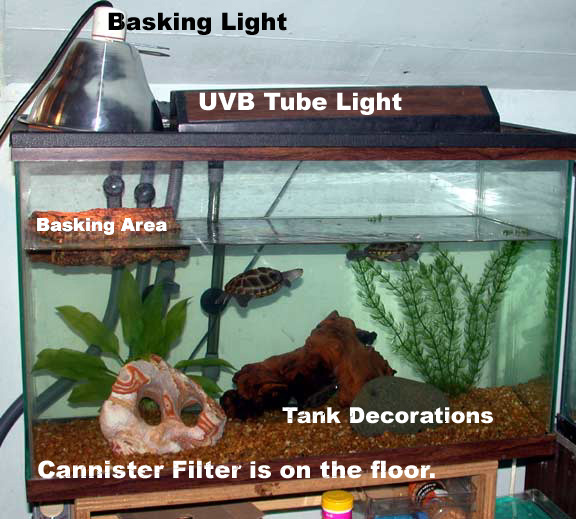
在某著名論壇看到的問題. ...(自己google一下)..... 說實在的, 也不能怪他, 很多人養寵物都是希望寵物迎合主人的喜好與想像. 但是那系列的回文居然還有人建議他養鱷龜, 是腦袋壞掉了嗎? 台灣有多少人養水龜養一養, 發現大得很快, 然後拿到外面亂丟呢? 我們就收過兩隻紅肚龜, 前飼主是一個爸爸, 他說之前買兩隻小小的給小朋友很可愛, 沒想到大得太快, 沒有地方養, 所以想要送掉. 所以多數人養寵物真的有找過資料仔細想過才養嗎? 還是覺得"很可愛", 就買下去? 之後才造成動物的傷亡, 自己的困擾, 甚至是台灣自然環境的傷害? 這個人的問題真的和地瓜交友好像喔: 我想交個男/女朋友, 但不知道什麼樣的人適合我. 我對這方面沒什麼經驗, 所以希望大家提供一點意見. 我對他/她的要求不多, 活潑, 健談, 文靜, 有氣質....偶爾給我打個電話買個禮物就好. 如能以結婚作為交往的前提就更好了. 許多寵物主人, 既對動物不瞭解, 也不瞭解自己的知識與能力, 再加上旁邊有一堆人敲邊鼓勸敗說--這個最好養, 隨便丟隨便活, 造就了許多悲劇. 以上連結的這個圖, 其實根本就是不及格的水龜飼養環境. 無聊的塑膠水草和假假的石頭, 然後一塊小小的軟木樹皮, 這樣鑽紋龜真的不會有問題嗎? 寵物並不是7-ELEVEN貨架上的商品, 也不是因為領了消費券不知道錢要怎麼花就隨便買一隻原價4000特價3600的東西回家讓牠死 , 有句話說得很好, 寵物對很多人只是人生中的過客(或甚至不是), 但人對那些動物來說就是牠的一生. 看到這樣的post其實是很感冒的.

圖片連結: reptilecare.com

[生了生了]星點守宮終於下蛋

我們的星點守宮終於生了. 對很多守宮玩家來說應該是沒什麼, 因為星點應該是好生的東西, 但是據說有點難孵是嗎? 但是台灣目前應該只有很少的星點守宮在流通, 看起來想要繼續繁殖可能會有些困難了.

星點守宮專屬網站: http://umilii.com/